


Key takeaways
- Data breaches cost healthcare organizations millions of dollars in clean up, lost time, and reputational damage.
- Clinic and hospital closures disrupt patient care in the short- and long-term, worsening patient welfare and eroding public trust in health systems.
- Petal procedures are based on privacy best practices, including compliance with PIPEDA and GDPR, and undergo annual independent audits.
Cyberattacks on healthcare organizations have consequences far beyond health systems. They threaten patient well-being, and further strain already over-burdened clinicians and care teams.
When hospitals, clinics, and health authorities are forced offline, the entire care journey is impacted. From delayed diagnoses to cancelled surgeries and lost medical records, cyberattacks cause widespread harm to patients and their families.
These attacks also expose a growing vulnerability: the central role digital tools now play in care delivery. Electronic medical records, e-referrals, online scheduling, virtual care platforms, and billing systems are essential to keeping modern care accessible and coordinated.
Read on to discover real-world cyberattack threats, tips to stay protected, and how Petal protects our partners and their patients from data breaches.
Cyberattacks threaten patients and their providers
In recent years, cyberattacks on healthcare organizations have surged. Here‘s one recent, cautionary tale:
The 2024 cyberattack on UnitedHealth Group cost the company $4.2B CAD and exposed the data of 192,700,000 users.
Two months after the attack, many practices faced potential closure due to lost revenue from unpaid claims after the cyberattack disrupted billing procedures managed by United Health.
Cyberattacks cost healthcare organizations an average of $15.1M CAD per attack, according to IBM. This was nearly double the cost faced by financial organizations. While breaches decreased from 2023 to 2024, the total healthcare records breached increased by 9.4% to more than 184,000,000.
These attacks burden caregivers and the health system while limiting patients’ access to medical records. Further, they erode public trust in their healthcare providers’ ability to securely and confidentially store their healthcare data.
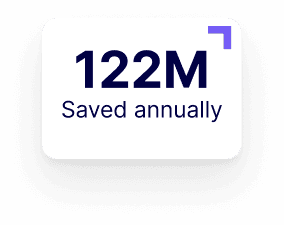
The Québec government saves $121M annually using Petal Patient Hub:
Five tips to preventing cyberattacks on healthcare organizations
Healthcare data, including identity information, payment details, medical histories, and provider credentials, are lucrative for thieves. This is why strong, transparent data-protection practices are critical to maintaining patient trust.
Here are five tips to protect your health system data:
Implement strong access controls
- Strong access controls are the foundation of data breach prevention in any healthcare environment. Limit access to patient data strictly to those who need it. Use role-based permissions to reduce exposure and enforce the principle of least privilege. When paired with robust network security tools, access control is among the most powerful safeguards against misuse and unauthorized access.
Encrypt data at rest and in transit
- All sensitive information and communications should be encrypted on servers, in databases, and whenever it moves through networks. Encryption both protects existing data and ensures that any stolen data is unreadable. Encryption plays a critical role in network security and data loss prevention (DLP) by transforming sensitive information into unreadable formats unless appropriate keys are used.
Keep systems, software, and devices patched
- Outdated software is a popular entry method for data thieves. Regular software updates, firmware upgrades, and security patches are therefore essential components of data breach prevention and effective network security. This is especially true for connected medical devices and legacy systems active across health systems.
Train staff regularly on cybersecurity hygiene
- Human error remains the top cause of data breaches. Staff training reinforces that day-to-day network activities meet the highest security standards to prevent data loss. Annual training and quarterly refreshers on phishing awareness, secure passwords, and proper data handling dramatically reduces risk.
Vet third-party vendors to support security and compliance
- Scheduling platforms, billing tools, mobile apps, and EHR vendors all interact with sensitive data. Therefore, precise vendor evaluation is essential for strong network security and ongoing data breach prevention. Conduct due-diligence checks, require compliance certifications (e.g., SOC 2), and establish clear data-security agreements.
How Petal manages cybersecurity risk
The privacy of your patients and organization is Petal’s top concern. Our 3,000+ worldwide customer deployments each benefit from top-grade security.
Petal’s policies and procedures are based on cybersecurity and privacy best practices, including compliance with PIPEDA and GDPR. Petal has certified its systems annually to AICPA SOC 2 Type II since 2023, successfully auditing the operational and security processes of our service and our company. Further, Petal clients benefit from robust authentication security through multi-factor authentication.
Our healthcare data encryption features include:
- Hosted in top-rated Canadian data centres;
- In transit using TLS 1.2 or better;
- At rest using AES 256 or better;
- SSAE-18 certified hosting.
Petal’s Secure Messaging modernizes healthcare communications with a HIPAA-compliant platform, replacing old pagers and insecure apps to promote safe and efficient professional dialogue. Confidently message care providers and staff directly, including via group texts, knowing your data is secured.
- Remember: Data used through Petal solutions remains the client’s property and is hosted in Canada.
Let’s secure your data, so you can focus on patients, employees, and yourself.
Secure your data today.