




The ED is the system: 3 Data trends reshaping emergency care in Canada
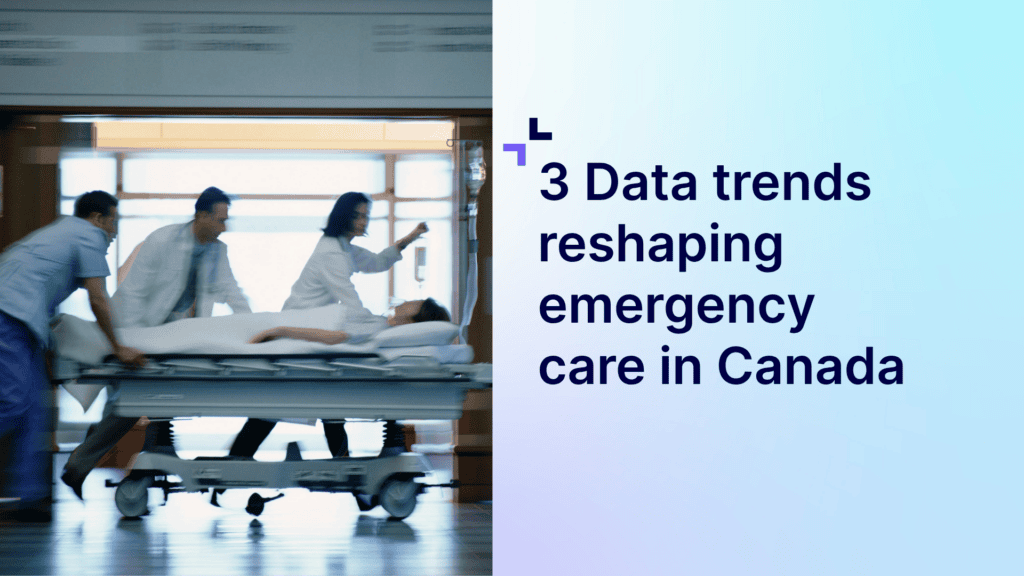
Key takeaways ED demand is becoming more clinically complex: CTAS 4–5 visits now represent a smaller share of Canadian ED activity, while CTAS 1–3 cases are growing showing a better alignment of lower-acuity care. Primary care capacity is essential to sustaining progress: Family physician stress and burnout have improved since 2022, but access gaps and […]
What’s a SOC 2 Type 2 report? Why it matters in healthcare

Healthcare organizations trust technology vendors with sensitive patient and staff data every day. Learn what a SOC 2 Type 2 report evaluates, why it matters for vendor selection, and which questions healthcare leaders should ask before choosing a software partner.
Secure messaging vs. Consumer apps: How convenience creates risk

Discover the differences between secure healthcare messaging and consumer apps. Learn how healthcare organizations improve compliance, reduce communication friction, and support clinician well-being.
How healthcare organizations use data to improve patient flow and capacity

Healthcare organizations use data to improve patient flow, strengthen healthcare capacity management, and make better operational decisions. Explore how healthcare analytics help modern teams overcome system-wide challenges.
5 AHCIP billing errors Alberta surgeons should avoid

Maximize your Alberta medical billing compensation. Learn the most common AHCIP billing errors surgeons make, why claims get denied, and how surgical teams improve reimbursement accuracy.
4 Ways better nurse scheduling boosts hospital profitability

Hospitals deliver optimal care when providers are satisfied. Learn how nurse scheduling software reduces overtime, improves retention, lowers labor costs, and supports better patient care.
Why fax machines still exist in healthcare (and 3 other outdated tools that need to go)

Learn why fax machines, pagers, and other outdated tools still exist in healthcare, the operational inefficiencies they create, and how modern solutions improve communication, scheduling, and patient intake.
5 Ways to improve nurses’ work-life balance without adding work

Nurses improve work-life balance by reducing administrative workload, gaining schedule flexibility, and improving communication. Discover five practical strategies healthcare organizations can implement today.
How pharmacies reduce emergency department overcrowding

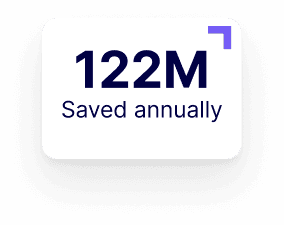
Patient redirection connects patients to the right care setting faster. Leveraging pharmacies as critical access points helps health systems reduce ED overcrowding, improve provider wellbeing, and unlock millions of dollars in system-wide savings.
How analytics help healthcare teams manage patient demand
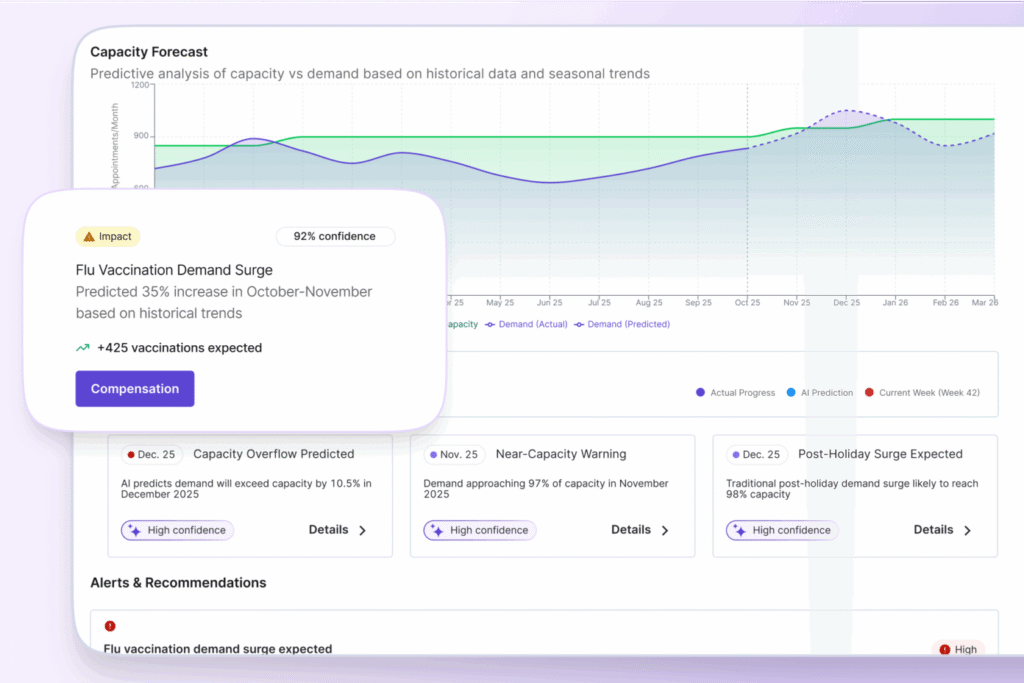
Data-driven insights help healthcare organizations make smarter choices for their teams, patients, and budgets by maximizing their resources. Rising patient demand paired with burnt-out staff requires this advanced approach to care.