






Tips for accurate, effortless medical billing to tackle administrative burden

Administrative burden drains time, energy, and resources from clinicians across Canada. Discover how AI and automation simplify medical billing to reduce stress and restore care capacity—plus, receive practical tips to start now.
Where is your healthcare data stored? Why location matters more than ever
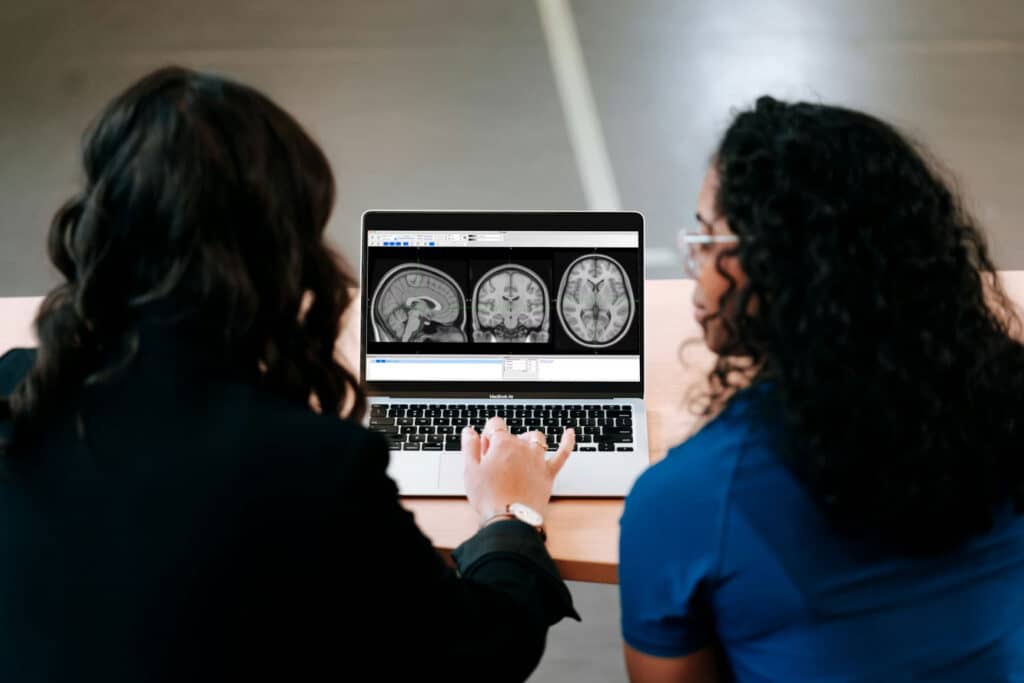
Do you know where your healthcare data is stored? Learn five critical questions to ensure compliance, security, and trust in Canadian healthcare IT.
Patient experience in a value‑based era: How a patient flow hub reduces administrative burden and elevates care

Reduce admin load and transform patient experience with a patient flow hub—evidence from Petal’s Hub shows system‑level impact and real savings.
December Ontario Auditor General reports: What they mean for physicians and health leaders

Ontario AG reports spotlight billing audits, primary care gaps, and system modernization—what physicians and health leaders need to know.
Healthcare cybersecurity: How to protect patient data from costly cyberattacks
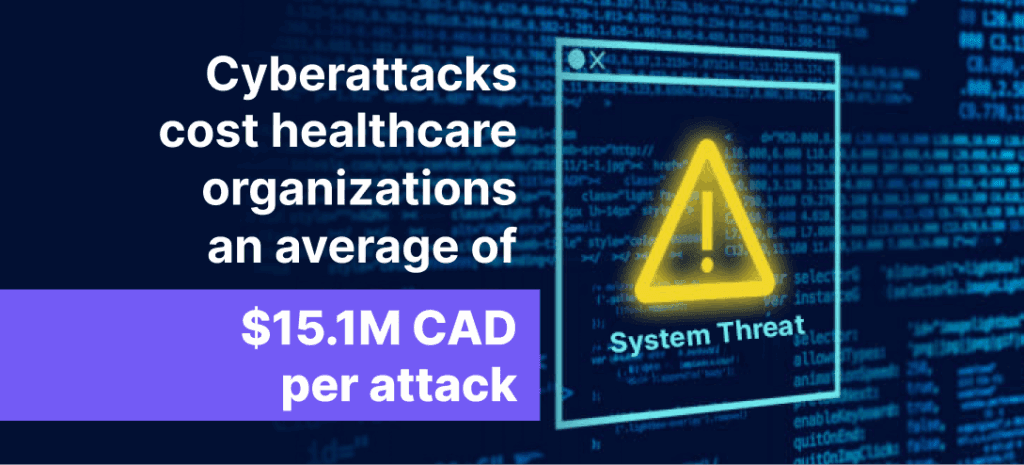
Discover five proven healthcare cybersecurity steps and how Petal protects patient data with SOC 2, encryption, and Canadian hosting.
4 Ways to optimize the coordination of on-call physicians

Learn four practical steps to modernize on‑call coordination—centralize schedules, keep one real‑time list, find and contact the right physician fast, and use analytics to improve coverage.
3 Reasons to use autonomous shift trades

Certainty leads to satisfied staff and better care. Provide clinicians with autonomy and advanced tools to decrease time wasted communicating, searching, and requesting.
Alberta virtual care billing codes cheat sheet and AHCIP checklist

Learn how to bill virtual care under AHCIP with our updated guide to Alberta medical billing codes. Find rules, limitations, and tips for compliance.
Why capacity management is a public health issue

Healthcare system capacity gaps cause treatment delays, overfill emergency rooms, and exhaust frontline staff. Automation and interoperability provide solutions without requiring more resources.