






Key takeaways
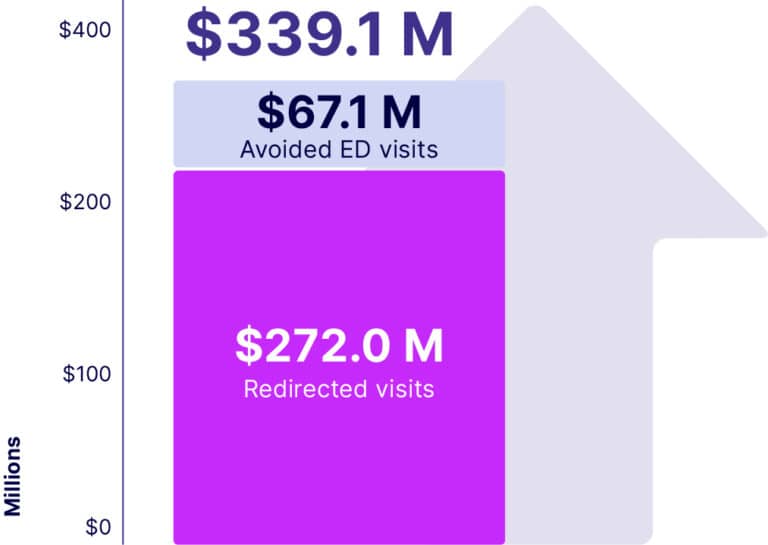
- $339M in cumulative economic value since 2022: Driven by avoided and redirected ED visits.
- 12.5% fewer low-acuity ED visits (CTAS 4–5): Patients receive care in the right setting.
- Unattached patients gain timely access: Narrowing gaps in ED reliance and improving equity.
- 811 system integration boosts navigation: 23% of calls now result in booked primary care visits.
Timely access to care is the cornerstone of better outcomes and system sustainability. Yet, patients across Canada often turn to emergency departments (EDs) for non-urgent issues simply because they don’t know where else to go.
The result? Overcrowded EDs, ballooning costs, and a frustrating experience for everyone involved.
The Petal Patient Hub: Right care, right time
To address these gaps, the Petal Patient Hub connects 850 clinics and 19,000 professionals in one network. This integration ensures patients are directed to the right care setting promptly, improving efficiency and outcomes throughout the system.
Independent analysis confirms impact
An independent health economist reviewed the Hub’s performance since 2022. The findings show the Hub is more than a convenience—it’s a proven solution for systemic improvement. By enabling real-time navigation, patients secure same-day or next-day appointments from ED or 811 health services, reducing unnecessary emergency visits and improving equity.
Key outcomes since launch
An independent health economist reviewed the Hub’s performance since 2022. The findings show the Hub is more than a convenience—it’s a proven solution for systemic improvement. By enabling real-time navigation, patients secure same-day or next-day appointments from ED or 811 health services, reducing unnecessary emergency visits and improving equity.
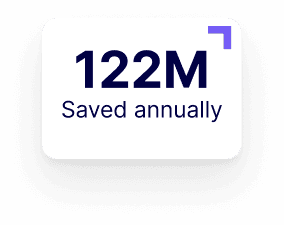
- $339M in cumulative economic value since 2022; $121M annually in 2024–2025—$2.3M per week.
- 814,000 ED visits avoided and 353,000 redirected to primary care.
- 12.5% fewer low-acuity ED visits (CTAS 4–5) compared to pre-Hub levels.
- Improved access for unattached patients, narrowing gaps in ED reliance.
Smarter ED utilization
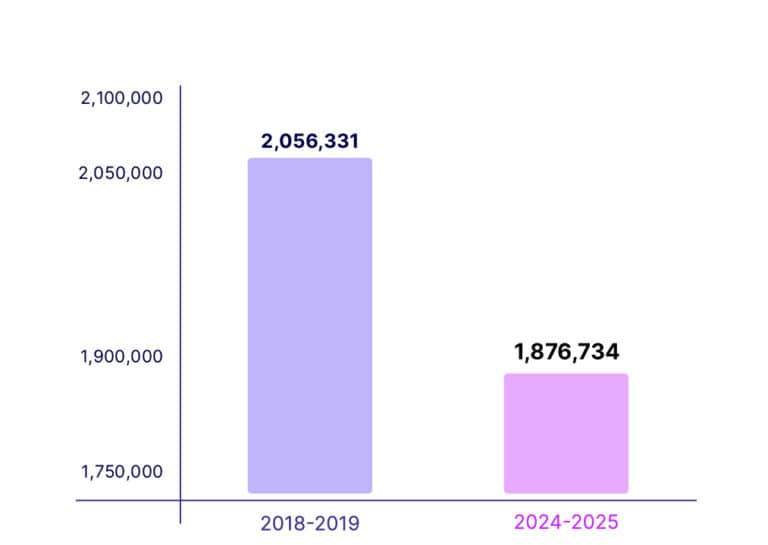
CTAS Level 4 and 5 visits—typically manageable in primary care—are down by 14,966 visits per month, or 12.5%. This isn’t just a statistical win; it’s a sign that patients are being triaged more effectively. The system is working smarter.
Closing the gap for unattached patients
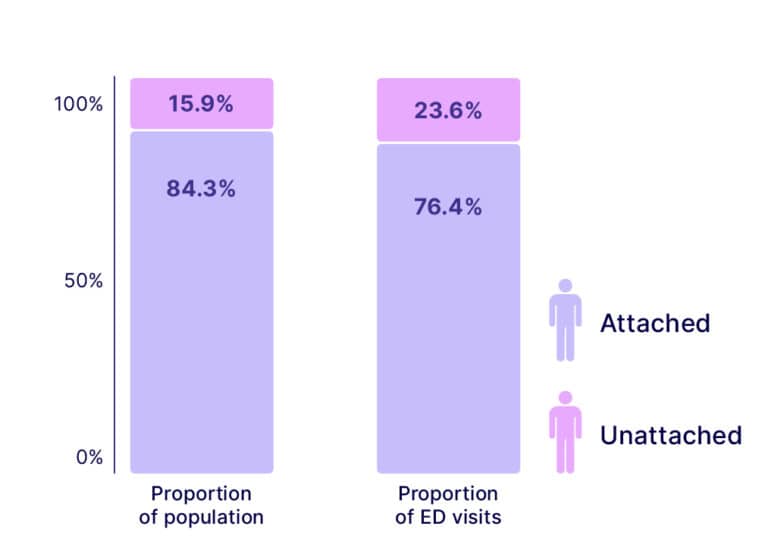
Historically, unattached patients leaned heavily on EDs for care. Thanks to the Patient Hub and related initiatives, that’s changing. In 2024–2025, unattached patients made up 15.9% of the population but only 23.6% of ED visits—a notable improvement from previous years.
811 Health services: A gateway to primary care
811 health services have evolved into a critical access point. In 2024–2025:
- 23% of calls resulted in booked primary care visits, up from 15% in 2022–2023.
- That’s 710 calls per day routed to more appropriate care settings.
Why it matters
The Petal Patient Hub is a blueprint for value-based healthcare transformation. By shifting care from costly EDs to primary care, it:
- Delivers measurable value: $339M in economic benefits.
- Aligns incentives for efficiency and patient-centered outcomes.
- Builds sustainability through digital orchestration.
The Petal Patient Hub proves scalable, coordinated care is possible—and sustainable. By reducing avoidable ED visits, improving access for unattached patients, and generating hundreds of millions in savings, it demonstrates how digital infrastructure can align cost, quality, and equity.
Want the full story?
Download the complete 15-page report to dive deeper into the data, methodology, and long-term implications of the Patient Hub’s success.