






Key takeaways
- Moonlighting enables valuable, additional income during residency: Eligible residents take on clinical work outside their formal training program.
- Not every extra shift counts as moonlighting: Extra resident shifts performed within training roles are different from independent clinical practice activity.
- The value of a shift goes beyond its headline pay: Consider travel, documentation, billing, and recovery time when weighing up the value of more work.
Medical moonlighting allows eligible residents in Canada to practice medicine independently outside their training programs. Beyond providing additional income, it expands clinical experience and exposes residents to new practice environments. But know that moonlighting rules aren’t the same in every province, so explore access and eligibility before seeking out shifts.
Residency already comes with a demanding schedule.
Still, many residents pursue clinical experience and the income it generates apart from their regular training.
That’s where moonlighting comes in.
The Canadian Medical Protective Association (CMPA) defines moonlighting as independent medical practice outside a postgraduate residency or structured fellowship program, whether that work is paid or unpaid.
- Did you know? More than half of doctors in Canada plan to cut their hours. This makes residents invaluable in helping to meet patient demand.
This distinguishes moonlighting from additional resident shifts completed at a resident level under supervision.
But before adding another shift to your calendar, you need to know exactly what you’re signing up for.
What's medical moonlighting in Canada?
There’s no single moonlighting framework that applies identically to every resident in every province.
Residents who moonlight must hold a licence or registration acceptable to the medical regulatory authority where the work takes place. And these authorities will demand specific requirements be met.
Your eligibility as a resident or fellow depend on a myriad of factors, including:
- Your province or territory
- Your stage of residency
- Your specialty
- Your medical licence or registration class
- Your residency program’s rules
Ontario provides a good example of how these arrangements are structured. The College of Physicians and Surgeons of Ontario has a specific Residents Working Additional Hours for Pay policy that allows residents, in limited circumstances, to work for pay outside their training requirements.
Keep in mind that the CMPA classifies extra resident shifts performed at a resident level under supervision separately from independent practice outside the training program.
Before accepting work, confirm how the opportunity is classified and which rules apply in your jurisdiction.
Key distinction: Picking up an additional clinical shift doesn’t automatically mean you’re moonlighting.
Starting to bill in Alberta, British Columbia, or Ontario?
How can moonlighting increase your income?
Now for the key topic: increasing your income through moonlighting.
The financial appeal is straightforward. When you take additional clinical work, you gain a welcome source of income during residency.
How much you earn is another question.
There isn’t one standard moonlighting rate across Canada. Your compensation depends on where you’re practicing, the type of clinical work you perform, the compensation arrangement, and the hours involved.
Before committing to additional work, understand:
- How you’ll be compensated
- Whether you’ll be paid directly or need to submit claims
- Which clinical activities are eligible for payment
- What documentation you’re responsible for completing
- What codes and modifies apply
This is particularly important if you’re billing a provincial health insurance plan directly.
As Canada’s physician billing systems vary considerably by province, your priority should be understanding the requirements attached to the specific work you’re performing.
3 Things to confirm before you start moonlighting
1. Confirm that you're eligible
Don’t assume that any available shift is a shift for you.
Start by confirming that your current registration permits the work, as residents who moonlight need licensing or registration acceptable in that work’s locality.
Next, look beyond your licence.
Depending on your province, program, and institution, you may need to consider program approval, hospital privileges, professional liability protection, or restrictions on the amount of work you are authorized to perform.
For example, Ontario’s moonlighting framework specifically allows residents to work additional paid hours outside their training requirements only under defined conditions.
Before committing: A few administrative checks upfront prevent frustrating problems later.
2. Understand what the work is worth
A shift might look attractive when you strictly focus on the compensation.
Consider the full commitment before you dive in.
Alongside the clinical hours themselves, moonlighting may involve:
- Travel
- Cognitive load
- Medical billing
- Claim follow-up
- Recovery time between commitments
Then consider where the shift fits alongside your existing priorities with respect to training and personal life.
The University of Alberta’s physician extender guidelines emphasize that additional clinical work, such as through moonlighting, shouldn’t come at the expense of residency responsibilities or well-being. “It’s expected that residents will make good decisions regarding their work-life balance,” the university explains.
Additional income is good. But make sure the opportunities are sustainable.
3. Build a billing workflow that follows your work
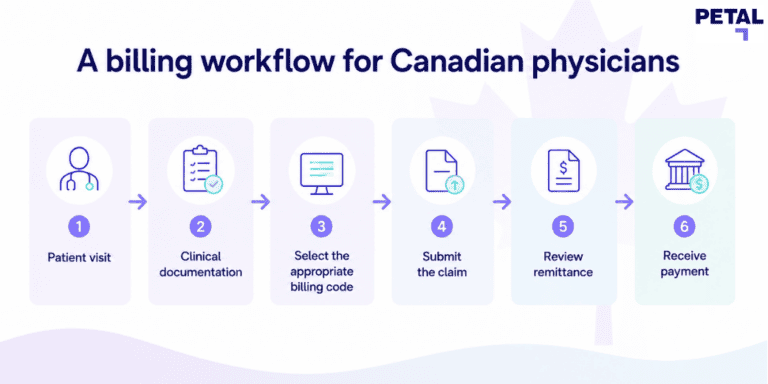
Increased clinical work also means more encounters, billing rules, and claims to keep organized.
Make sure you document encounters while they’re fresh. Submit according to the applicable provincial timelines.
Then review payment information to confirm the services you provided were compensated right.
- Tip: Don’t assume claim submission is the end of the billing process.
Claims may be reduced, rejected, or returned for correction.
Reviewing payment statements consistently gives you a chance to identify issues promptly while relevant correction windows remain open.
This small effort could save you major headaches, and boost vital income, moving forward.
Clinicians increase revenue by an average of 9.4% using Petal Billing.
What changes when you moonlight in another practice setting?
Your clinical skills travel with you. Your administrative workflow, on the other hand, might not.
Moving between care settings spurs new requirements within billing.
A different setting may mean:
- Different billing processes
- New codes or compensation rules
- Adjusted documentation expectations
- New payer responsibilities
- Different people responsible for claim follow-up
Before your first shift, find out where your tasks begin and end.
Ask how you’ll record services, who submits claims, and critically, who to contact when something doesn’t look right.
That clarity makes moonlighting easier to manage among your other residency responsibilities and gives you a more accurate picture of earnings.
Ready to moonlight? Let's claim what you've earned
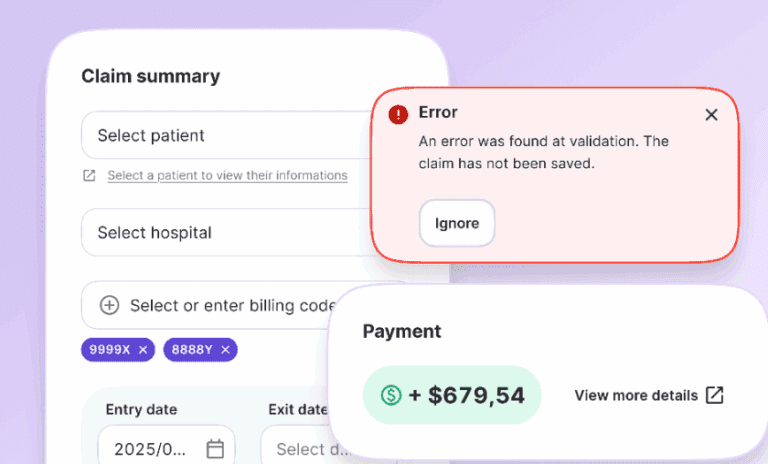
Your billing process should keep pace with your ambition.
Petal Billing gives you access to technology and province-specific expertise made to simplify the path from providing care to getting paid.
- Proof: An independent study commissioned by Petal found that physicians using medical billing solutions reported an average 9.4% increase in revenue and 161 hours saved annually compared with manual billing.
Your added clinical work should translate into added value.
Let’s make sure it does.
Make your billing workflow work for you:
FAQs: Medical moonlighting in Canada
What is medical moonlighting?
The CMPA defines moonlighting as independent medical practice performed outside a resident’s or fellow’s postgraduate training program. It may be paid or unpaid.
Can medical residents moonlight in Canada?
Some residents can, but eligibility depends on the province or territory, medical regulator, residency program, type of work, and registration status. Confirm the requirements that apply to you before accepting additional clinical work.
Do you need a medical licence to moonlight?
Yes. According to the CMPA, residents and fellows who moonlight must hold licensing or registration acceptable to the regulatory authority in the jurisdiction where the moonlighting occurs.
Is picking up an extra resident shift the same as moonlighting?
Not necessarily. The CMPA distinguishes extra resident shifts performed at a resident level under supervision from independent medical practice outside a postgraduate training program.
How much can residents earn from moonlighting?
There’s no standard amount across Canada. Earnings depend on factors including the clinical work performed, province, specialty, and applicable payment rules.
How should residents manage billing for moonlighting work?
First, determine whether you’re responsible for submitting claims. If you are, document each encounter, understand the applicable provincial codes and payment rules, review payment statements, and address rejected or adjusted claims promptly.