






Large hospitals operate in highly complex environments with multiple sites, rotating clinicians, and constant coordination demands.
Yet, at critical moments, teams often lack clear visibility into who is on call, where they are, and how to reach them.
This gap leads to delays, inefficiencies, and added administrative burden, impacting both care delivery and staff productivity.
To address this, the University of Montreal Hospital Center (CHUM) implemented Petal’s workforce operations solution to create a single, real-time source of truth across its organization—transforming communication, coordination, and capacity.
Key findings
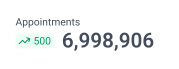
- 8,000 hours saved annually by reducing manual coordination and call routing
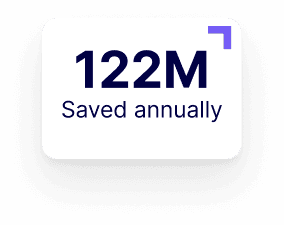
- Up to $610K in annual economic value, with scalable potential up to $2.3M
- 1,400 daily self-service searches (407% increase), improving real-time access to information
- 6% reduction in call volume, easing pressure on switchboard operations
- Greater clinician autonomy with 160 schedule changes per member per year
Explore how real-time workforce visibility and intelligent scheduling can unlock capacity, reduce inefficiencies, and improve care coordination across your organization.
What’s in this report for you?

Ministers and MOH policy teams
This report identifies the policy levers that enable orchestration to improve access to care. It demonstrates how linking ED, 811, and primary care isn’t just operational; it translates into measurable system impact and reinvestable savings.
Health authority executives
Because ED overcrowding and long stays are among the top pain points, this report demonstrates how diverting non-urgent cases upstream can enhance patient safety, staff well-being, and system performance without requiring hospitals alone to bear the burden.
Primary care leaders
To ensure visibility into primary care availability and confidence that redirection slots will enhance patient flow, this report outlines how reserved slots and the integration of the team-based care model empower you to move patients away from EDs, leading to timely, appropriate care.