






Key takeaways
- Virtual care is billable in BC under MSP, but the right code depends on the service type, patient age, provider type, and whether a specific telehealth fee exists.
- BC uses telehealth fee items for common family practice services, including FP consultations, FP visits, individual counselling, group counselling, and FP-assisted specialist assessments.
- Documentation matters for many telehealth services, so physicians should record the medical necessity, time of service, start/end times where required, and patient consent to receive care virtually.
British Columbia physicians can bill virtual care through MSP using either designated telehealth fee codes or, in some cases, the equivalent in-person fee with a telehealth claim note. Selecting the correct billing code depends on the service provided, patient age, documentation requirements, and more.
Virtual care is now a routine part of healthcare delivery in BC. For many patients, a phone or video appointment is more convenient than travelling to a clinic. For physicians, virtual care allows for three things: schedule flexibility, continuity of care, and improved patient access. All improvements everyone can get behind.
But one question remains critical: How do you bill virtual care correctly under BC’s Medical Services Plan?
BC’s rules are different from many provinces including Alberta and Ontario’s. Instead of a single virtual care framework that mirrors Alberta’s AHCIP approach, BC’s MSP Payment Schedule defines telehealth services broadly and then lists specific fee items by section and service type.
The result: Virtual care billing is straightforward once you know which codes apply, but easy to underbill or reject if the wrong code, patient age category, or documentation is used.
Medical billing for virtual care in British Columbia: Key rules
In BC, the MSP defines a telehealth service as a medical-practitioner-delivered health service provided to a patient through video technology or telephone.
The MSP Payment Schedule also notes that where no specific telehealth fee exists, consultations, office visits, and non-procedural interventions may be claimed under the face-to-face fee with a claim note stating that the service was provided by telehealth.
For physicians, this creates two billing pathways:
- Use a specific telehealth fee item when one exists.
This is common in family medicine, where MSP lists age-based telehealth codes for FP consultations, visits, and counselling. - Use theappropriate in-personfee with a telehealth note when no telehealth fee exists.
This applies only where the Payment Schedule permits it and no designated telehealth fee is available for the service.
It’s important to check the latest schedule before publication or use during your billing workflows.
General rules for AHCIP virtual care billing
To keep claims compliant, physicians should keep the following rules in mind:
- Patient consent is required. Patients must be informed and given the opportunity to agree to receive services by telehealth, without prejudice.
- Telehealth includes phone or video. BC defines telehealth as care delivered through video technology or telephone, although individual fee items may specify additional requirements.
- Use a designated telehealth code when available. If a service has a specific telehealth fee item, use that code rather than defaulting to a face-to-face equivalent.
- If no telehealth code exists, add a claim note. MSP states that consultations, office visits, and non-procedural interventions without a telehealth fee may be claimed under the face-to-face fee with a note record saying the service was provided by telehealth.
- Video services are generally payable once per patient, per day, per physician. Exceptions must meet the Payment Schedule’s criteria for multiple visits.
- Document medical necessity and time. MSP says information about medical necessity and times of service should accompany claims.
- Counselling requires start and end times. For FP individual counselling, MSP requires start and end times in both the billing claim and the patient chart, plus documentation of the condition’s effect and the advice or service provided.
- Claims must be submitted on time. Fee-for-service practitioners must submit MSP claims electronically within 90 days of the service date, either through Teleplan or a service bureau.
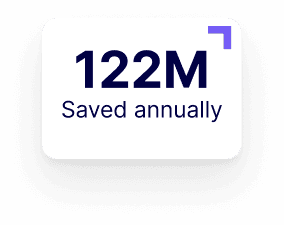
Physicians using Petal gained $29,267 more annually on average compared to manual billing.
BC virtual care billing codes cheat sheet: Family practice
Here are the core MSP telehealth fee items for family physicians.
Telehealth FP consultation
Use these codes for a family physician consultation provided by telehealth. These are age-based:
Code | Description | Value |
13236 | Telehealth FP Consultation, age 0–1 | $103.02 |
13436 | Telehealth FP Consultation, age 2–49 | $95.95 |
13536 | Telehealth FP Consultation, age 50–59 | $103.02 |
13636 | Telehealth FP Consultation, age 60–69 | $107.77 |
13736 | Telehealth FP Consultation, age 70–79 | $121.20 |
13836 | Telehealth FP Consultation, age 80+ | $139.50 |
These codes are listed under “Telehealth Service with Direct Interactive Video Link with the Patient” and must be interpreted with reference to the general telehealth preamble.
Billing tip: Confirm that the service meets consultation requirements. In BC, a consultation generally requires a request from another practitioner, the consultant’s opinion, and a written report to the referring practitioner.
Telehealth FP visit
Use these codes for age-based FP visits provided by telehealth:
Code | Description | Value |
13237 | Telehealth FP Visit, age 0–1 | $41.42 |
13437 | Telehealth FP Visit, age 2–49 | $38.61 |
13537 | Telehealth FP Visit, age 50–59 | $41.42 |
13637 | Telehealth FP Visit, age 60–69 | $43.27 |
13737 | Telehealth FP Visit, age 70–79 | $48.76 |
13837 | Telehealth FP Visit, age 80+ | $56.47 |
These are the everyday virtual visit codes many family practices will use most often.
Billing tip: Make age selection part of the billing workflow. A simple patient age mismatch can lead to unnecessary rework.
Telehealth FP individual counselling
For prolonged counselling visits, MSP lists telehealth FP individual counselling codes with a minimum time per visit of 20 minutes:
Code | Description | Value |
13238 | Telehealth FP Individual Counselling, age 0–1 | $82.84 |
13438 | Telehealth FP Individual Counselling, age 2–49 | $77.24 |
13538 | Telehealth FP Individual Counselling, age 50–59 | $82.84 |
13638 | Telehealth FP Individual Counselling, age 60–69 | $86.57 |
13738 | Telehealth FP Individual Counselling, age 70–79 | $97.52 |
13838 | Telehealth FP Individual Counselling, age 80+ | $112.93 |
MSP pays up to four individual counselling visits per patient per year, across any combination of age-appropriate in-office, out-of-office, and telehealth counselling visits. Start and end times must be entered in both the claim and the patient chart.
Billing tip: For counselling, the note should do more than confirm that the call happened. MSP requires documentation of the effect of the condition on the patient and what advice or service was provided.
Telehealth FP group counselling
For groups of two or more patients:
Code | Description | Value |
13041 | Telehealth FP Group Counselling, first full hour | $199.44 |
13042 | Telehealth FP Group Counselling, second hour, per ½ hour or major portion | $99.73 |
Don’t forget to include the start and end times as they must be entered in both the billing claim and the patient chart.
Billing tip: Group counselling documentation should clearly identify the session timing and support the medical necessity of the service.
Telehealth family physician assistant
Code | Description | Value |
13020 | Telehealth Family Physician Assistant — physical assessment requested by receiving specialist, per 15 minutes or major portion | $50.35 |
This code applies only when a family physician is required at the referring end to assist with an essential physical assessment, without which the specialist service would be ineffective. It applies only to the time spent during the consultation with the specialist and start/end times must be recorded in both the claim and chart.
Billing tip: This is not a general “supporting the virtual visit” code. It is tied to a specialist-requested physical assessment that is essential to the telehealth consultation.
MSP virtual care checklist
Before submitting a BC virtual care claim, confirm:
- The patient has valid MSP coverage.
- The patient was informed and agreed to receive care by phone or video.
- The service is medically necessary.
- You selected a specific telehealth fee item where one exists.
- If no telehealth fee exists, the claim note states that the service was provided by telehealth.
- The code matches the patient’s age category, where applicable.
- Start and end times are documented where required.
- Counselling claims include the condition’s effect on the patient and the advice or service provided.
- Claims are submitted through Teleplan or an approved service bureau within 90 days of the service.
- The patient chart supports the service billed.
Clinicians save 3.1 hours per week using Petal Billing.
Where BC virtual care billing leads to mistakes
BC’s telehealth rules are practical, but they are not always intuitive. A physician might provide the same clinical interaction by phone, video, or in person, yet billing may differ depending on the service type, age category, whether the code exists as a telehealth item, and whether the documentation supports the claim.
This is where the details matter. The highest-risk areas are usually:
1. Age-based code selection
Many FP telehealth codes change based on patient age. This is easy to miss during a busy clinic day.
2. Counselling documentation
Counselling claims require more than start and end times. The chart must also describe the effect of the condition and the advice or service provided.
3. Using in-person codes without a note
When no telehealth fee exists, MSP may allow the face-to-face fee, but the claim needs a note record confirming the service was provided by telehealth.
4. Assuming BC works like another province.
BC’s MSP structure is not the same as Alberta’s AHCIP or Ontario’s OHIP. Physicians moving between provinces should avoid reusing old billing habits.
Final takeaway
Virtual care is a permanent part of medical practice in British Columbia, but correct billing depends on the details. For family physicians, MSP provides clear telehealth fee items for consultations, visits, counselling, group counselling, and assisted specialist assessments.
The key is choosing the right code, documenting the service clearly, and submitting the claim on time.
For clinics, that means virtual care billing should not be left to memory. A clean workflow from code selection to time capture, documentation prompts, and claim review reduces rejections and helps physicians get paid accurately for the care they provide.
Explore how Medcom by Petal billing experts based in BC will help you earn more revenue by improving your approval rates and claiming what you’ve earned.
FAQs: British Columbia billing codes
What are BC virtual care billing codes?
BC virtual care billing codes are MSP fee items used when a physician provides care by phone or video. For family physicians, common codes cover telehealth consultations, visits, individual counselling, group counselling, and assisted specialist assessments.
Can BC physicians bill MSP for phone appointments?
Yes. BC’s MSP telehealth rules include services provided by telephone or video, as long as the service meets the requirements of the relevant fee item and is properly documented.
What is the difference between a telehealth visit and a telehealth consultation in BC?
A telehealth visit is typically used for a direct patient encounter with a family physician. A telehealth consultation generally requires a request from another practitioner, the consultant’s opinion, and a written report back to the referring practitioner.
What documentation is required for BC MSP telehealth billing?
Physicians should document the medical necessity of the service, the patient’s consent to receive care virtually, the type of virtual care provided, and the clinical details supporting the claim. For counselling codes, start and end times must also be recorded.
Are BC MSP telehealth billing codes age-based?
Many family practice telehealth codes in BC are age-based. The correct code depends on the patient’s age group, so clinics should confirm the patient’s age before submitting a claim.
How can clinics reduce errors in BC virtual care billing?
Clinics can reduce billing errors by using billing software that prompts physicians and administrators to select the right MSP code, capture required documentation, record counselling times, and review claims before submission.