






Key takeaways
- Consistent billing habits simplify locum work: Keeping claims current throughout each assignment limits administrative burden and makes placement transitions easier.
- Every assignment deserves a payment review: Reviewing remittance statements after each locum placement allows you to identify rejected, reduced, or missing claims.
- Don’t assume every clinic follows the same workflow. Billing responsibilities vary between practices. Always confirm who submits claims, reviews remittance statements, and manages rejected claims before your first shift.
Locum billing in Canada follows many of the same provincial billing rules as permanent practice, but every assignment introduces new considerations. Before accepting coverage, confirming how you’ll be compensated is essential, along with determining who is responsible for submitting claims, what documentation is expected, and how payments will be reviewed post-assignment.
If you want variance, locum work offers physicians flexibility and opportunities to practice in communities throughout Canada.
From covering a family physician’s vacation to providing hospital coverage and exploring new environments before settling, each assignment brings its own billing processes and expectations.
Unlike permanent practice, where billing workflows become familiar over time, locum physicians typically move between care settings and health authorities.
This is what makes them an important part of the healthcare system, but also, what creates complexity.
- The challenge? Distinct clinics and hospitals may have different documentation standards, software, billing support, and compensation models. Even experienced physicians encounter payment delays if responsibilities aren’t established.
Fortunately, a consistent billing workflow eases locum uncertainty.
For example, when you confirm key administrative details before your assignment or maintain good documentation habits while providing care, you limit claim issues. This means less time fixing avoidable problems and more time with patients.
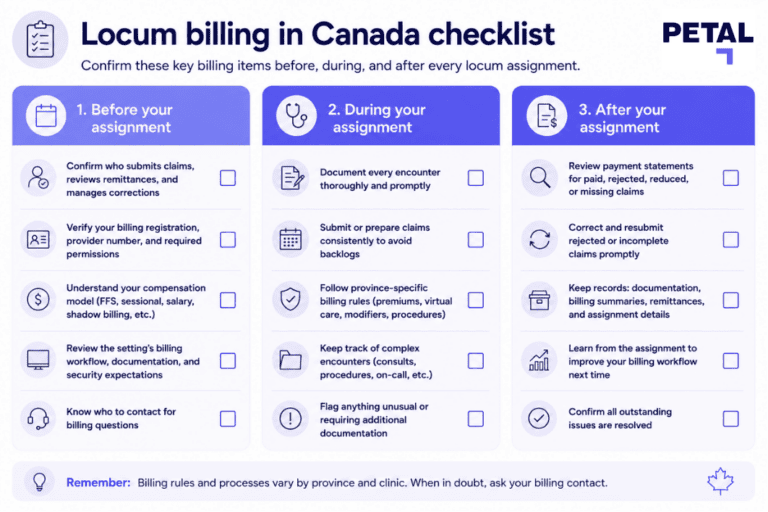
Use this practical checklist to prepare before, during, and after each of your locum assignments.
Note: Billing requirements, compensation models, and submission processes vary by province and territory. This guide only complements your provincial billing authority’s guidance.
How does locum billing work in Canada?
Locum physicians generally follow the same provincial billing rules as physicians in permanent practice.
Services are billed through the applicable provincial health insurance plan using the appropriate fee schedule and billing requirements.
What changes is how billing is managed.
Some locum physicians submit claims themselves using their preferred billing software or medical billing services. Others rely on clinic staff or an external billing service to prepare and submit claims on their behalf. Either way, having a process in place makes payment and earning simpler.
Compensation models can differ as well. You may be paid through:
- Fee-for-service
- This is the most popular practice for locums in Canada.
- Sessional payments
- Salary
- Alternative funding arrangements
Because billing responsibilities are unstandardized between practices, one of the most valuable steps a locum physician takes is confirming the billing process before arriving for their first shift.
Your locum billing checklist at a glance
Here’s your high-level checklist. Read on for key details about each section.
Before your locum assignment
Most billing issues begin before the first patient is seen.
A short administrative conversation before your assignment prevents weeks of payment delays and unnecessary follow-up later. Use this checklist before every placement, even if you’ve worked with the organization before.
Confirm who manages billing
Every clinic approaches billing differently.
Before your assignment begins, clarify:
- Who submits billing claims
- Whether you’ll submit claims yourself or someone else will do so
- Who reviews payment statements
- Who follows up on rejected claims or payment adjustments
Making assumptions leads to problems—duplicated submission, missed claims, confusion over who is responsible for correcting billing issues, and more. And problems mean chances for errors and delays in payment. No one wants that.
Confirm your billing credentials are ready
Depending on the province and practice setting, you’ll need the appropriate credentials before providing insured services.
This may include confirming that your provincial billing registration is active, your provider or billing number is linked to the assignment where required, and your banking information and direct deposit details are current.
Starting early is worthwhile to verify these details before your first clinic day!
Understand how you'll be compensated
Not every locum assignment follows the same payment model.
Before accepting coverage, understand whether you’ll be compensated through:
- Fee-for-service
- Sessional payments
- Salary
- Alternative funding arrangements
This determines how services should be billed, what reporting obligations exist, and what you’ll need to review once payments begin arriving.
If portions of the agreement are unclear, ask for clarification before beginning clinical work.
Review the clinic's billing workflow
Even experienced physicians benefit from understanding how a new clinic manages billing.
Ask practical questions, such as:
- Which billing software is used?
- What documentation standards are expected?
- Are there preferred coding practices?
- How frequently and quickly are claims submitted?
Learning the workflow early will decrease the interruptions you face later, help you integrate into the practice more quickly.
Clinicians save 3.1 hours per week using Petal Billing. What would you do with an extra 3 hours a week?
During your locum assignment
Once patient care begins, consistent billing habits become your strongest safeguard against payment issues.
Don’t try to remember every encounter at the end of the week. Instead, build small routines that keep documentation and billing current throughout the assignment.
Document every encounter thoroughly
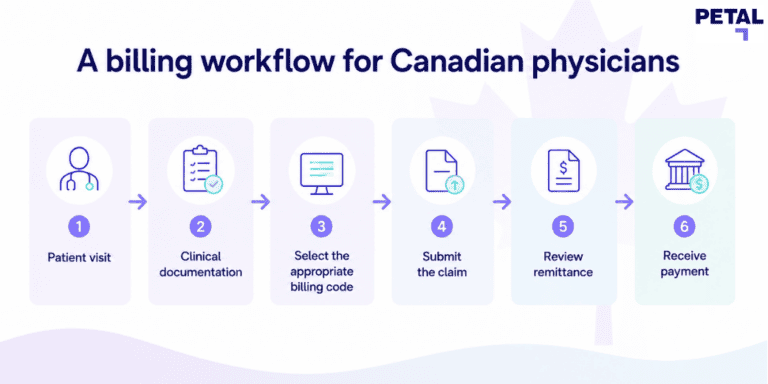
Every billing claim should be supported by complete clinical documentation.
Whenever possible, complete documentation while the encounter is still fresh. Your notes should clearly support:
- Why the patient was seen
- The services provided
- Clinical findings and decision-making where appropriate
- Any details required to justify the billed service
Clear documentation supports accurate billing and prepares you in case questions arise during payment reviews or, most importantly, audits.
Keep billing current
Waiting until the end of an assignment to organize billing increases the likelihood of forgotten encounters. Administrative backlog will follow.
Whether you’re submitting claims personally or reviewing work completed by billing staff, establish a consistent rhythm throughout the assignment.
Many physicians find it helpful to:
- Review encounters daily
- Submit claims regularly
- Resolve questions while details remain fresh
- Address missing information before it accumulates
Small, consistent actions reduce pressure at the end of your locum placement.
Watch for assignment-specific billing rules
Locum physicians move between different clinical settings where billing requirements may vary.
Depending on the province and assignment, pay attention to:
- After-hours or weekend premiums
- Virtual care billing requirements
- Consultation versus follow-up visit rules
- Procedure-specific billing requirements
- Modifiers or location-specific billing codes
Taking a few minutes to understand these expectations before your first shift limits avoidable claim rejections later.
Keep track of complex encounters
Not every patient visit follows a routine billing pattern.
Maintain a record of encounters that may require additional review, including:
- Consultations
- Procedures
- Multiple services provided during one visit
- On-call responsibilities
- Visits requiring additional supporting documentation
Flagging these encounters while you’re still on assignment makes them much easier to review before claims are submitted.
12,000+ providers and administrators trust Petal to simplify their billing.
After your locum assignment
Your billing responsibilities don’t end when your last shift finishes.
Before considering an assignment complete, take time to confirm that claims have been processed correctly and any outstanding issues have been addressed.
Review your payment statements
Once remittance advice or payment statements become available, compare them against the services you provided.
Look for:
- Claims that were paid as expected
- Rejected or refused claims
- Reduced payments
- Missing claims
- Opportunities to correct or resubmit claims where permitted
Reviewing payments promptly makes it easier to resolve issues while correction timelines remain open.
Correct billing issues quickly
Claim rejections are common and don’t necessarily indicate a serious problem.
Many result from missing information, documentation gaps, incorrect billing codes, or administrative errors that can be corrected and resubmitted.
Address them as they’re identified. Prompt corrections reduce administrative burden and improve the likelihood of receiving payment within provincial deadlines.
Keep complete records
Even after payment has been received, maintain organized records for every locum assignment.
Look to retain:
- Clinical documentation
- Billing summaries
- Payment statements
- Claim correction records
- Assignment dates and locations
Good recordkeeping supports future reconciliations and provides valuable documentation if billing questions arise later.
Locum billing mistakes to avoid
Even experienced physicians encounter billing issues when moving between practice settings.
These usually result from small administrative oversights. Know what to look for and avoid to save yourself hassle later.
Here are four common mistakes:
- Assuming every clinic follows the same billing workflow
- Billing responsibilities vary between practices. Always confirm who submits claims, reviews remittance statements, and manages rejected claims before your first shift.
- Waiting until the end of the assignment to organize billing
- Delaying documentation or claim submission increases the likelihood of forgotten services, incomplete records, and unnecessary administrative backlog. Regular billing throughout the assignment is generally easier and more accurate.
- Skipping the payment review after the assignment ends
- Your final shift isn’t the end of the billing process. Review payment statements to confirm claims were paid correctly and identify rejected, reduced, or missing payments while correction timelines remain open.
- Not clarifying who is responsible for rejected claims
- Some clinics expect physicians to manage claim corrections themselves, while others have billing staff who handle resubmissions. Clarifying this responsibility upfront helps prevent claims from slipping through the cracks.
Avoid these common pitfalls and your billing workflow will support both smoother locum assignments and more predictable compensation.
Earn more compensation from your delivered services
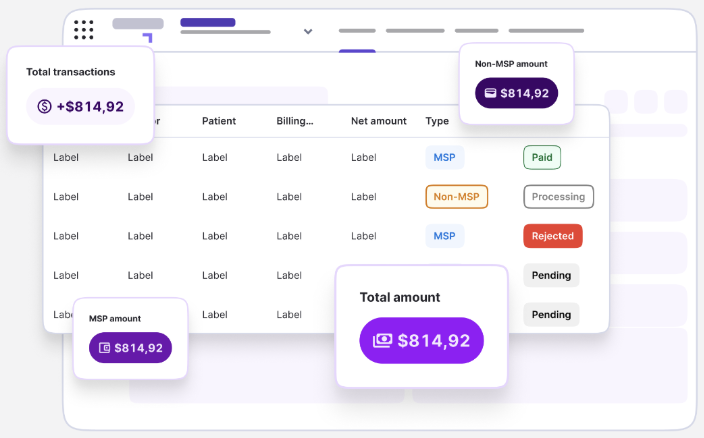
Choose a billing solution that meets your needs—from wherever you practice.
Petal Billing maximizes your claims with personalized support tailored to your specialty and based in your province. Earn more revenue by simplifying your claim submission and management process.
- Our independent study found physicians using Petal Billing reported a 9.4% increase in revenue and 3.1 hours saved per week on average.
Petal specialists are here to assess your situation and provide live support to solve your problems fast. It’s why we’re trusted by more Canadian physicians than any other provider.
Your patients should be your focus. Smarter billing makes that easier.
Wherever you’re billing, make sure it’s done right:
FAQs: Locum billing in Canada
How does locum billing work in Canada?
Locum physicians generally bill insured services through their provincial health insurance plan using the applicable fee schedule. The billing workflow varies between assignments, so physicians should confirm who submits claims, reviews payments, and manages claim corrections before beginning work.
Who submits billing claims during a locum assignment?
It depends on the practice. Some physicians submit claims themselves, while others rely on clinic staff or an external medical billing service. Responsibilities should always be confirmed before the assignment begins.
Can locum physicians bill fee-for-service?
Yes. Many locum physicians work under fee-for-service arrangements, although some assignments use sessional payments, salaries, blended funding models, or require shadow billing. The compensation model depends on the practice and provincial agreement.
What should I review after completing a locum assignment?
Review your payment statements to confirm claims were paid correctly, identify rejected or reduced claims, and submit corrections where appropriate. Keeping organized records also supports future reconciliations and tax preparation.
Do billing requirements change between provinces?
Yes. Every province has its own billing authority, fee schedule, submission timelines, and documentation requirements. Physicians should always consult provincial billing resources for assignment-specific guidance.
What records should locum physicians keep?
Maintain copies of clinical documentation, billing summaries, payment statements, claim corrections, and assignment details. Organized records make it easier to resolve billing questions and prepare for audits or tax reporting.