





Key takeaways
- Shadow billing is about tracking activity: Physicians submit claims to capture clinical activity even when they aren’t paid per service.
- Accurate shadow billing supports fair compensation: Complete data helps validate workload and strengthen contract negotiations.
- Shadow billing informs system-level decisions: Governments and healthcare organizations rely on this data to allocate funding and resources, as well as to measure demand.
Shadow billing is the process of submitting billing claims for medical services that aren’t paid on a fee-for-service (FFS) basis. Instead, this information is used to track physician activity, workload, and care delivery.
Although it doesn’t directly generate payment per claim, it remains critical to how physicians are compensated, how healthcare systems allocate funding, and how care delivery is measured.
As more Canadian physicians moved into alternative payment models (APMs), such as salaries, contracts, or blended funding, shadow billing became essential. This is because data collected from shadow billing has a direct impact on individual physicians and the healthcare system at large.
FFS has declined in recent years (to about ~70% of billings) in Canada but persists. As Canada talks value but still pays for volume, understanding shadow billing is critical if physicians are expected to bill less using FFS. This matters: Evidence consistently shows higher patient satisfaction and slower spending growth in team-based, value-oriented models.
Read on to learn what shadow billing is, how it works in practice, and why it matters for physicians across Canada.
What’s shadow billing?
Shadow billing is the submission of standard medical billing codes for services provided without receiving direct fee-for-service payment for each claim.
In Canada, shadow billing is most used in alternative payment models. These are commonly found in hospital-based roles, academic settings, and group funding arrangements. Instead of being paid per visit or procedure, physicians may receive a salary, sessional payments, or blended compensation. They’re still required to submit claims as if they were billing fee-for-service.
The key difference between shadow billing and fee-for-service is intent. In a fee-for-service model, each claim results in payment. In shadow billing, the claim is recorded for accountability and system-level insights.
- For example: A physician working under a salary model in a hospital may see 20 patients a day. Rather than billing each encounter for payment, they submit those claims as shadow bills. While the physician’s income doesn’t change based on those submissions, the data captured still matters. Their performance is recorded, and future decisions made by them or system leaders are better informed.
Summary: At its core, shadow billing makes physician work visible, measurable, and reportable, even when payment is not tied to individual services.
Clinicians save 3.1 hours per week using Petal Billing.
How does shadow billing work?
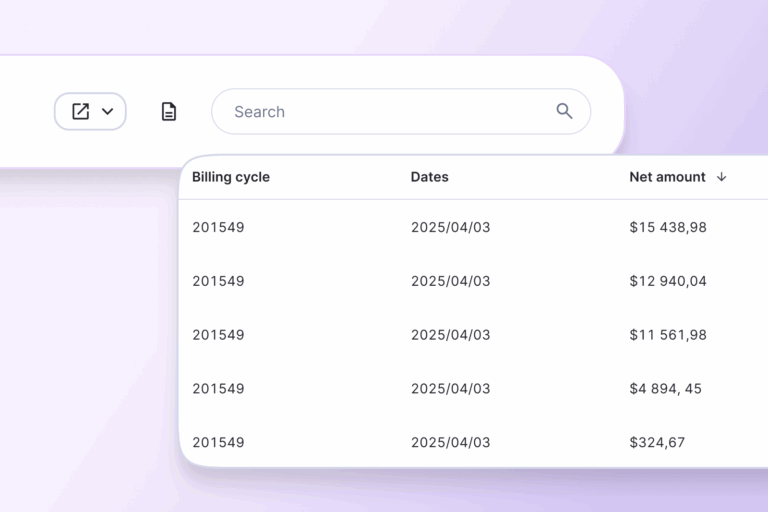
Shadow billing follows nearly the same workflow as fee-for-service billing, but the purpose is fundamentally different: tracking instead of direct payment.
Here’s how it typically works:
- A patient encounter occurs: The physician provides care in a clinic, hospital, or other setting.
- The service is coded: The physician (or billing team) assigns the appropriate billing codes based on the provincial fee schedule.
- A claim is submitted: The claim is sent to the provincial payer (e.g. RAMQ in Quebec, OHIP in Ontario, H-Link and AHCIP in Alberta).
- The claim is processed but not paid traditionally: Instead of generating full payment, the claim may:
- Return $0.
- Be partially paid.
- Be reconciled into a broader compensation structure (e.g. bonuses or funding pools)
- The data is recorded and used: The system captures information about services provided and types of care delivered.
Variations across provinces and programs
Shadow billing requirements vary across Canada depending on the province and physician compensation model. While the core concept remains the same—submitting claims for tracking rather than direct fee-for-service payment—how shadow billing is used can differ significantly.
Alberta
Alberta relies heavily on shadow billing within its Alternative Relationship Plans (ARPs). Physicians participating in ARPs often continue submitting claims to Alberta Health Services (AHS) or Alberta Health to document workload and maintain reporting accuracy, which supports funding calculations.
British Columbia
BC uses alternative payment arrangements in several specialties and practice environments, but shadow billing is generally less formalized and less universally emphasized than in provinces like Ontario or Alberta. Depending on the compensation agreement, physicians may still submit encounter data or tracking claims for reporting purposes.
Ontario
Ontario has some of the most established shadow billing structures in Canada. These are especially seen in Family Health Organizations (FHOs), Family Health Networks (FHNs), and Alternative Funding Plans (AFPs). Physicians working in capitation or blended payment models are often required to submit shadow-billed OHIP claims for insured services provided.
Quebec
In Quebec, shadow billing exists within certain alternative compensation arrangements and mixed remuneration models under RAMQ, though terminology and structures may differ from other provinces. Physicians may still need to submit service data even when compensation is salary-based, sessional, or blended.
Physicians using Petal gained $34,346 more annually on average compared to manual billing.
Why not ignore shadow billing?
Shadow billing may be perceived as a hassle, or a process to be ignored entirely, by physicians who could otherwise benefit from its use.
Some physicians deprioritize shadow billing. This may be because it doesn’t always result in direct payment. This leads to issues:
- Underreporting services
- Inaccurate or incomplete coding
- Missing submission deadlines
- Assuming shadow billing is optional when it’s required
For example, a physician who skips submitting shadow bills for certain visits may accidentally underrepresent their workload.
This affects personal outcomes, such as lower performance-based compensation or inaccurate performance details during evaluations, and system-level outcomes, such as underfunding departments or misallocation of resources due to misrepresented demand.
Remember: While distinct in its goal, shadow billing should be treated with the same level of accuracy and consistency as fee-for-service billing.
Shadow billers are supported here
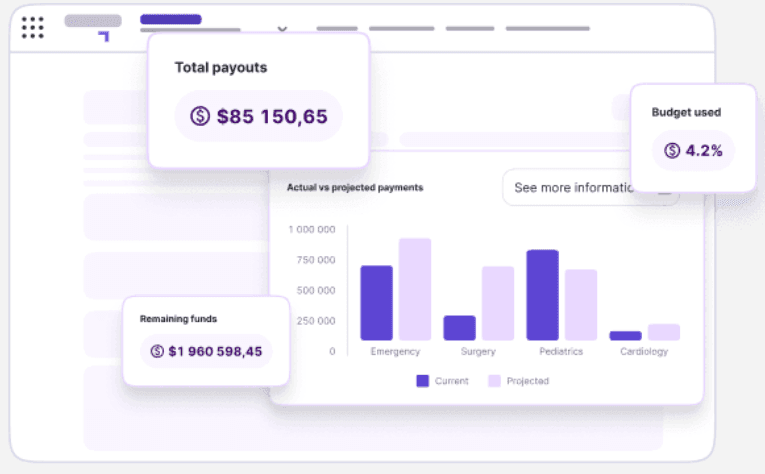
If shadow billing is your preferred method of compensation, then you’re in the right place.
Petal Billing supports 55,000+ physicians across Canada. This includes those working in alternative payment models where shadow billing is required.
Petal ensures your work is fully captured and correctly reported. Avoid the friction of manual processes by automating claim submission and validating codes based on provincial rules.
Results from an independent study prove Petal’s value:
- 161 hours saved annually
- 9.4% more revenue
When your work is captured, your practice thrives.
Make billing your strength:
FAQ: Shadow billing in Canada
What is shadow billing in Canada?
Shadow billing is the process of submitting medical billing claims for services that aren’t paid on a fee-for-service (FFS) basis. Instead, these claims are used to track physician activity healthcare delivery.
Do physicians get paid for shadow billing?
Physicians are not paid per individual shadow bill. However, shadow billing data may influence overall compensation. This is done through salaries, contracts, or performance-based incentives in alternative payment models.
Whois required tosubmit shadow billing?
Physicians working under alternative payment models—like salaries, academic funding plans, or hospital-based roles—are often required to submit shadow bills. Requirements vary by province and program.
How is shadow billing different from fee-for-service billing?
Fee-for-service billing results in direct payment for each claim submitted. Shadow billing uses the same codes and process, but the purpose is to record services for reporting, not immediate payment.
Why is shadow billing important in Canada?
Shadow billing is important because it helps governments and healthcare organizations track service volumes, allocate funding, plan resources, and measure physician workload accurately.
What happens if shadow billing is notsubmitted?
If shadow billing is not submitted, physician workload may be underreported. This impacts compensation, reduces funding for programs or departments, and leads to inaccurate healthcare planning.