






Points clés à retenir
- Accurate time units protect revenue: Documenting eligible anesthesia time ensures that extended procedures are reflected in your reimbursement.
- Missed premiums mean missed earnings: Understanding applicable OHIP premiums and modifiers limits the risk that you’re leaving eligible revenue on the table.
- Surgical changes complicate claims: Accurate coordination between procedural information and anesthesia billing reduces discrepancies and prevents payment delays.
Anesthesiology billing in Ontario requires physicians to account for procedure-specific OHIP codes, anesthesia time units, applicable premiums, and coordination with surgical services. Under the Ontario Health Insurance Plan (OHIP), these details determine how services are reimbursed.
The last thing anesthesiologists should be focused on while they work: how to bill the care they’re providing.
But between calculating time units and resolving discrepancies between surgical and anesthesia claims, even experienced anesthesiologists find the hours starting to stack up.
Through conversations with Ontario anesthesiologists, our medical billing experts heard how these challenges affect physicians’ time and revenue by impacting daily workflows.
- Did you know? Medical specialists in Canada spend an average of 8.6 hours per week on admin tasks.
Whether billing is managed individually, through an anesthesia group, or with the support of an administrative team member, the challenges are substantial.
Here are four key billing considerations for anesthesiologists in Ontario:
1. Time units significantly affect your reimbursement
Unlike many physician services billed under OHIP, anesthesiology reimbursement for surgical procedures combines basic units associated with the procedure and time units reflecting the duration of care.
According to Ontario’s Schedule of Benefits, anesthesia time is calculated in 15-minute intervals with unit values increasing if care duration extends:
- First hour: One unit per 15-minute interval.
- After the first hour, up to 90 minutes: Two units per 15-minute interval.
- Beyond 90 minutes: Three units per 15-minute interval.
These calculations make accurate time documentation essential.
Consider an anesthesiologist working on a routine procedure that unexpectedly extends beyond two hours. Their reimbursement depends partly on capturing the eligible anesthesia time, which may differ considerably from the duration they originally scheduled.
If the anesthesiologist or their billing team misses time or records it incorrectly, the value of their claim will decrease.
What this means in practice: Build a reliable process for documenting and calculating eligible anesthesia time.
Are you a new physician in Ontario?
2. Premiums and modifiers are easily overlooked
The complexity of anesthesiology billing extends beyond calculating time units.
Depending on the circumstances, additional premiums, units, and billing rules affect reimbursement.
For example, Ontario’s Schedule of Benefits includes after-hours anesthesia premiums for eligible cases:
- Evenings, weekends, and holidays (E400C): a 50% increase to the fee.
- Overnight (E401C): a 75% increase to the fee.
Consider an evening procedure with a $200 anesthesia fee. The 50% premium adds $100 to the claim. Assuming 200 comparable procedures annually, failing to capture that premium represents up to $20,000 in missed reimbursement.
Further, certain clinical circumstances and anesthesia services carry distinct billing requirements.
Now, consider an emergency surgical procedure performed overnight. Depending on when the case begins and the applicable billing requirements, you may qualify for an after-hours premium. That’s good for growth.
However, identifying these opportunities requires familiarity with OHIP rules, documentation requirements, exceptions, and more.
Even with a dedicated billing administrator, manually reviewing codes and conditions for every encounter takes valuable time. It also leads to workflow bottlenecks and opportunities for omissions if you work in different settings.
What this means in practice: Consistently reviewing claims, as well as using specialized billing expertise, will identify eligible premiums and additional units.
3. Billing accuracy depends on what happens beyond your work
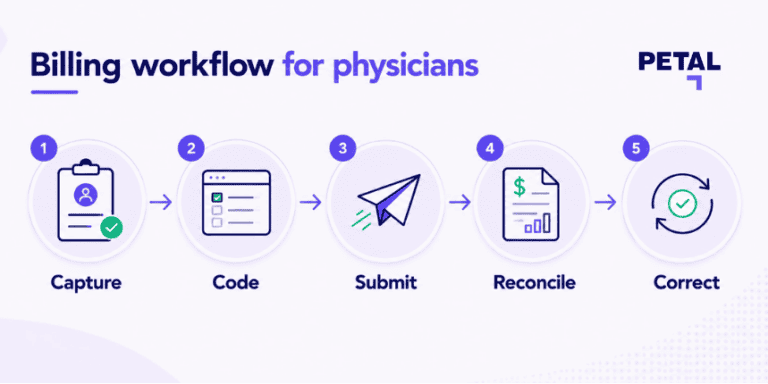
As anesthesiologists work closely with surgeons, the relationship between their services introduces additional billing complications.
Under OHIP, anesthesia claims for surgical procedures generally use the associated procedural fee code with a “C” suffix. The procedure determines the applicable basic units before they’re combined with any eligible time units.
But what happens when the surgical plan changes?
Let’s consider a patient who undergoes surgery and requires a secondary procedure during the same anesthetic. The anesthesiologist’s claim must reflect the appropriate billing rules. This is true even when the procedures performed differ from those originally anticipated.
For multiple or bilateral surgical procedures performed under the same anesthetic, OHIP usually requires anesthesiologists to use the basic units associated with the major procedure.
- Learn more: Ontario’s Ministry of Health has issued specific guidance on multiple surgical anesthesia claims, emphasizing the importance of appropriate fee code selection.
It’s clear how inconsistencies arise between procedural information, documentation, and submitted claims. And where inconsistencies arise, payment discrepancies follow.
Resolving these issues becomes particularly challenging when billing teams must coordinate with multiple physicians or departments to confirm the services provided.
What this means in practice: Accurate billing requires reliable communication and a process for reviewing complex cases.
Clinicians increase revenue by an average of 9.4% using Petal Billing.
4. Unresolved claims and manual billing drain revenue
Submitting an anesthesia claim won’t guarantee that your received payment is correct.
Whether your billing is managed by an internal team member or an external provider, someone needs to track rejected claims and confirm that services have been reimbursed appropriately.
If you’re managing this process yourself, you’ll need to review your billing reports. Here are two things to keep in mind:
- Ontario physicians receive reports, including Error Reports and monthly Remittance Advice statements, to understand how OHIP has processed their claims.
- Reviewing these reports is a critical part of medical billing reconciliation. Yet, finding unpaid or underpaid services is difficult without a consistent process.
For anesthesiology groups, that responsibility is especially demanding when claims, payment reports, and physician compensation information are spread across different systems.
Consider an anesthesiologist whose extended procedure was reimbursed lower than they expected. Identifying this discrepancy may require the billing team to review the original claim, confirm the documented anesthesia time, interpret OHIP’s response, and determine whether a correction is needed.
Multiply that process across dozens of encounters, and administrative burden grows considerably.
Moreover, this complexity increases for groups participating in Alternative Funding Arrangements (AFAs). From shadow billing to hours tracking and compensation distribution, added responsibilities place new demands on billing teams.
What this means in practice: Regular reconciliation and follow-up provide greater vital visibility into outstanding revenue.
Simplify anesthesiology billing with proven support
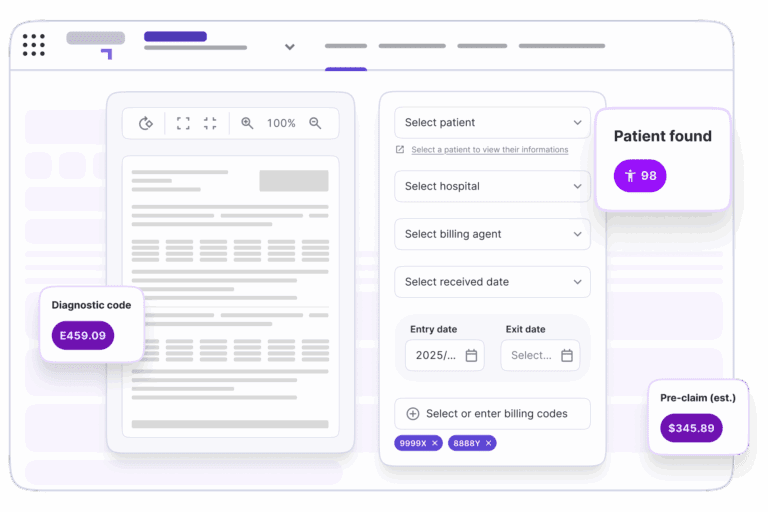
Anesthesiology billing comes with unique complexities, but managing them shouldn’t take valuable time away from your patients or personal life.
At Petal Billing Ontario, we understand that physicians have different preferences for managing their billing.
- That’s why we offer hybrid and full-service medical billing options, allowing you to choose the level of support that works for your practice.
With the right processes and expertise, you’ll reduce billing errors, improve revenue visibility, and spend less time following up on claims.
Whether you want to maintain greater involvement or have experienced billing specialists manage the process, good billing is within your reach.
Don’t let billing complexity stop your growth:
FAQs: Anesthesiology billing in Ontario
How does anesthesiology billing work in Ontario?
Under OHIP, anesthesia services associated with surgical procedures are generally billed using basic units assigned to the procedure and time units based on the duration of anesthesia care. Applicable premiums and special billing provisions may also affect reimbursement.
How are anesthesia time units calculated under OHIP?
Anesthesia time is generally calculated in 15-minute intervals or portions thereof. Each interval is worth one unit during the first hour, two units after the first hour through 90 minutes, and three units thereafter. Special rules apply to certain anesthesia services.
Can Ontario anesthesiologists bill additional premiums?
Yes. Anesthesiologists may qualify for additional premiums under specific circumstances, including eligible evening, overnight, weekend, or holiday cases. Eligibility depends on OHIP’s payment requirements and the circumstances of care.
What happens when multiple surgical procedures are performed under the same anesthetic?
When multiple or bilateral surgical procedures occur during the same anesthetic, OHIP generally requires anesthesiologists to use the basic units associated with the major procedure. Eligible anesthesia time units are then added according to the applicable rules.
How can anesthesiologists reduce underbilling?
Accurate documentation, appropriate code selection, identification of eligible premiums, and regular payment reconciliation are essential. Specialized medical billing support can also identify discrepancies and reduce time spent managing claims.
Can anesthesiologists outsource their OHIP billing?
Yes. Anesthesiologists can work with a medical billing provider to manage aspects of claim coding, submission, payment tracking, and reconciliation. Petal offers hybrid and full-service options in Ontario, allowing physicians to select their preferred level of involvement.