






Starting family medicine in Alberta: The billing workflow residency doesn’t teach you

Starting family medicine in Alberta? Learn the repeatable billing workflow that turns documented patient care into accurate AHCIP claims and predictable payment.
Manual billing vs. Billing solution: Which is right for your practice?

Manual billing gives physicians direct control, but it also requires time, expertise, and consistent follow-up. Compare manual workflows with medical billing solutions nd learn how automation, claim visibility, and expert support simplify billing throughout your practice.
7 MSP billing mistakes BC physicians should avoid

Avoid common MSP billing mistakes before they affect your revenue. This practical guide explains seven billing errors BC physicians frequently encounter and shares strategies to improve claim acceptance, reduce administrative work, and build stronger billing habits.
Psychiatry billing in Canada: 3 Things psychiatrists should know (+checklist)

Learn three practical psychiatry billing rules every psychiatrist should know, including provincial examples from MSP, OHIP, AHCIP, and Quebec billing workflows.
Ontario OHIP billing optimization checklist: A practical guide for new physicians

This practical Ontario OHIP billing optimization checklist helps new physicians build stronger billing workflows from day one. Learn how to reduce claim rejections, improve documentation, and develop habits that support accurate, consistent OHIP billing.
Locum billing checklist: What physicians should confirm before, during, and after every assignment

This practical guide explains how locum billing works in Canada and provides a step-by-step checklist of what physicians should confirm before, during, and after every assignment to reduce payment delays and improve billing accuracy.
New physician billing in Alberta, BC, and Ontario: A step-by-step setup guide

Starting practice in Alberta, British Columbia, or Ontario? Learn how to set up physician billing, submit your first claim, avoid common mistakes, and get paid with confidence. Your future revenue growth will be stronger for it.
Billing software vs. billing services: What physicians actually need
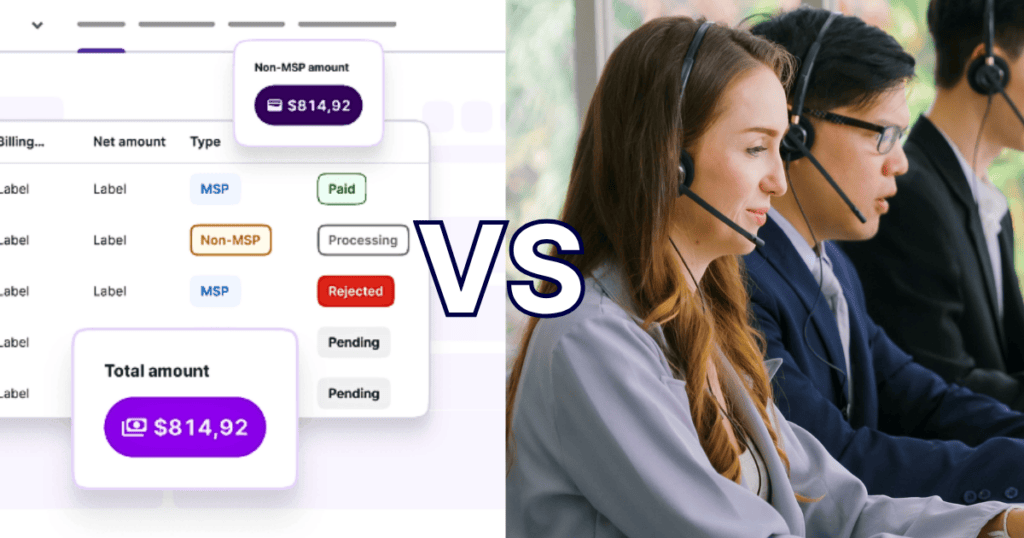
Learn the difference between medical billing software and billing services, the pros and cons of each model, and how physicians choose the right approach based on specialty, province, claim volume, and administrative capacity.
Your first 90 days of medical billing: A roadmap for new physicians

This guide walks new Canadian physicians through the first 90 days of medical billing, from setting up billing accounts to establishing documentation, submission, and payment review workflows that support long-term growth.
Audited by AHCIP? Here are your next steps + a checklist to prepare

Receiving an AHCIP audit notice can be stressful, but it doesn’t have to derail your practice. Learn what Alberta physicians should do after an audit notice arrives, how to respond effectively, and the best practices that reduce audit risk over time.