





What’s a SOC 2 Type 2 report? Why it matters in healthcare

Healthcare organizations trust technology vendors with sensitive patient and staff data every day. Learn what a SOC 2 Type 2 report evaluates, why it matters for vendor selection, and which questions healthcare leaders should ask before choosing a software partner.
Billing software vs. billing services: What physicians actually need
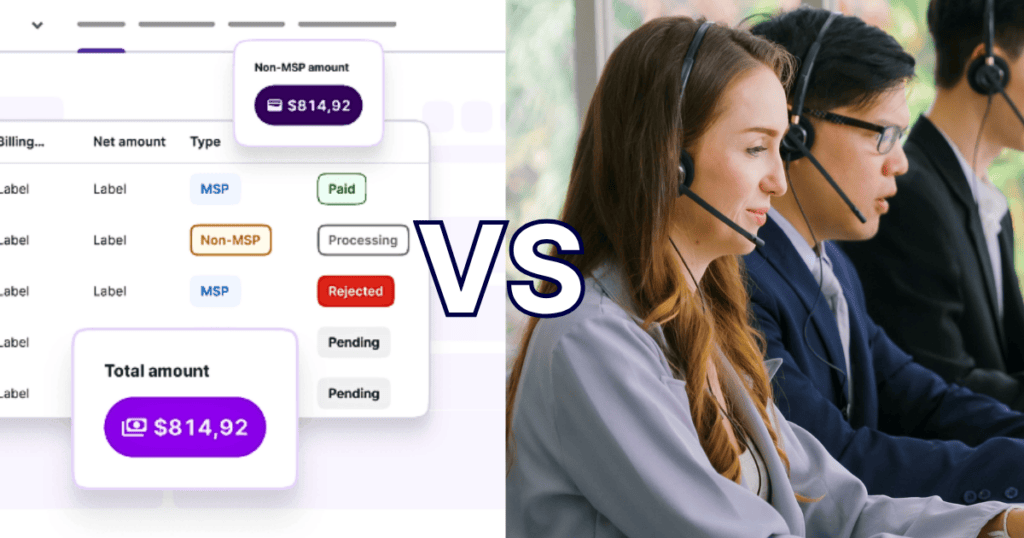
Learn the difference between medical billing software and billing services, the pros and cons of each model, and how physicians choose the right approach based on specialty, province, claim volume, and administrative capacity.
Your first 90 days of medical billing: A roadmap for new physicians

This guide walks new Canadian physicians through the first 90 days of medical billing, from setting up billing accounts to establishing documentation, submission, and payment review workflows that support long-term growth.
Audited by AHCIP? Here are your next steps + a checklist to prepare

Receiving an AHCIP audit notice can be stressful, but it doesn’t have to derail your practice. Learn what Alberta physicians should do after an audit notice arrives, how to respond effectively, and the best practices that reduce audit risk over time.
Still managing physician schedules in Excel? 4 Steps to modernize manual scheduling

Learn how healthcare teams successfully move away from Excel-based physician scheduling. This guide outlines a structured, change-ready approach to modern scheduling, including key considerations for stakeholder adoption, workflow improvements, and long-term scalability.
4 Must-have medical billing services for your software solution

Medical billing software works best when paired with expert services. Learn how claims management, revenue optimization, payment support, and provincial expertise helps healthcare teams improve financial performance while reducing administrative burden.
Secure messaging vs. Consumer apps: How convenience creates risk
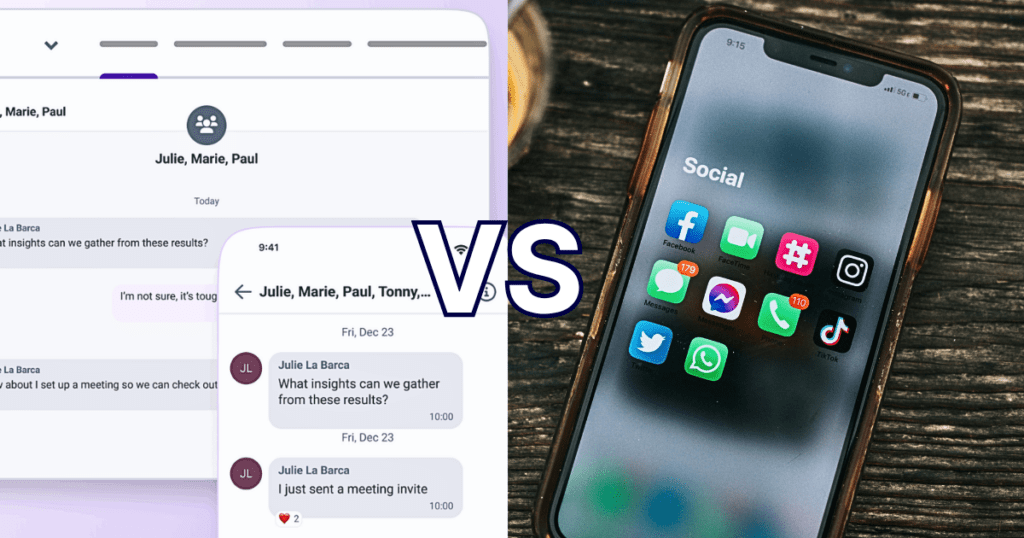
Discover the differences between secure healthcare messaging and consumer apps. Learn how healthcare organizations improve compliance, reduce communication friction, and support clinician well-being.
How healthcare organizations use data to improve patient flow and capacity

Healthcare organizations use data to improve patient flow, strengthen healthcare capacity management, and make better operational decisions. Explore how healthcare analytics help modern teams overcome system-wide challenges.
Manual vs automated scheduling in healthcare: Costs, risks, and benefits

Discover how automated healthcare scheduling reduces administrative burden, improves clinician satisfaction, and helps hospitals and physician groups reclaim valuable clinical time.
Physician scheduling without burnout: A practical framework

Use this framework for managing physician schedules without burnout to reduce admin burden, improve workflows, and protect clinical time.