




Points clés à retenir
- Small billing mistakes drive major revenue leakage. Incorrect modifiers, missing referrals, and procedural sequencing errors reduce reimbursement or trigger avoidable claim denials across high-volume surgical practices.
- Surgical documentation directly impacts payment outcomes. Even when procedures are performed appropriately, incomplete operative notes or unsupported complexity claims result in reduced payment or audit risk.
- Stronger billing workflows improve both financial and operational performance. Standardized billing processes help surgical teams reduce resubmissions, lower administrative burden, improve claim accuracy, and create more predictable reimbursement.
AHCIP billing errors delay payments, reduce reimbursement, trigger claim denials, and increase audit risk for Alberta surgical practices.
The most common issues include incorrect modifiers, unbundled services—where related services are billed separately even though they’re already included in the primary procedure payment—missing referral information, multiple-procedure billing errors, and insufficient operative documentation.
For surgeons and clinic administrators, even small billing mistakes cause significant administrative burden and revenue leakage across high-volume surgical workflows.
Billing accuracy has become increasingly important as surgical workflows grow more complex. Workforce demands have increased too; for example, the number of orthopedic surgeons in Canada grew by 3.5% from 2019–2024—too slow to match population growth and patient demand.
Multiple procedures, virtual consults, operative documentation requirements, and modifier rules lead to small errors that quickly compound across dozens of cases each month. Even highly efficient surgical teams lose revenue because of avoidable billing mistakes.
- For example, one error not only forces you to resubmit, but you also need to stay on top of everything as the clock is ticking to submit again following a rejection. These delays push a normal payment schedule back 7, 14, 21 days, and in some cases, months. Just for a single misused code.
Fortunately, many of the most common AHCIP billing issues are preventable with stronger workflows and better visibility into billing patterns.
Here are five of the most common AHCIP billing errors surgeons should watch for, and how surgical teams reduce their impact.
1) Incorrect or missing surgical modifiers
Modifier errors are one of the most common reasons surgical claims are rejected or underpaid.
Modifiers help AHCIP understand the context and complexity of a procedure. They indicate situations like bilateral surgeries, assistant surgeon involvement, after-hours care, or unusual procedural circumstances. Missing or incorrect modifiers can result in claims being reduced, rejected, or manually reviewed.
Here are common modifier-related challenges:
- Missing assistant surgeon modifiers
- Incorrect bilateral procedure modifiers
- Using incompatible modifier combinations
- Missing after-hours or call-related modifiers
Example in practice
An orthopedic surgeon performs a bilateral procedure late in the evening with assistant support. The primary procedure code is submitted correctly, but the assistant modifier is omitted. The claim processes incorrectly and reimbursement is reduced because the billing does not fully reflect the surgical resources involved.
Example code
39G – Modifier Code Error
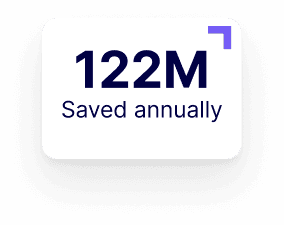
Alberta physicians using Petal gained an average of $38,581 annually compared to manual billing.
2) Billing for services already included in the surgical fee
Many surgical billing errors occur because related services are billed separately even though they are already included in the primary procedure payment.
This issue, often called “unbundling,” commonly affects assessments, closures, minor procedural components, or post-operative follow-up services connected to the surgery. While these actions may feel operationally separate, AHCIP billing rules may classify them as inclusive services.
Unbundling creates both payment and compliance risk. In addition to rejected claims, repeated issues may attract audit scrutiny.
Common examples include:
- Billing post-operative assessments separately
- Claiming simple closures in addition to the primary surgery
- Separately billing inclusive same-site procedures
- Submitting duplicate related procedural claims
Example in practice
A general surgeon bills both a primary excision procedure and a separate simple closure code completed during the same operative session. The closure is already considered part of the insured surgical service, resulting in a rejected secondary claim.
Example code
Inclusive service rejection or duplicate procedural denial
3) Missing or invalid referral information
Referral-related billing issues frequently affect surgical consult claims.
AHCIP requires valid referral information for many specialist consultations. Missing practitioner numbers, incomplete referral details, or undocumented referrals can result in consultation fees being downgraded or denied altogether.
Because surgical consults are often higher-value claims, these issues greatly impact monthly billing totals.
Here are common referral-related mistakes:
- Missing referring physician numbers
- Using inactive or invalid practitioner IDs
- Billing consultations without documented referrals
- Incomplete referral documentation within the patient chart
Example in practice
A plastic surgeon evaluates a patient referred for reconstructive consultation after trauma. The consultation is completed appropriately, but the referring physician number is entered incorrectly during billing submission. The consult claim is rejected and must be manually corrected and resubmitted.
Example code
45 – Referral Information Error
4) Incorrect billing for multiple procedures
Surgical billing becomes more complicated when multiple procedures occur during the same operative session.
Many surgeons unintentionally lose reimbursement because procedures are submitted in the wrong order or because payment reduction rules are misunderstood. In Alberta, the sequencing of primary and secondary procedures directly influences payment calculations.
This issue is especially common in orthopedic, ENT, vascular, plastics, and general surgery.
Frequent multiple-procedure billing issues include:
- Incorrect primary versus secondary procedure sequencing
- Billing full value for all procedures when reductions apply
- Missing procedural hierarchy rules
- Incorrectly combining related surgical codes
Example in practice
An ENT surgeon performs two procedures during one operative session. The lower-value procedure is submitted as the primary code while the higher-value procedure is listed second. Because reimbursement calculations depend on procedural hierarchy, the total payment is lower than expected.
Example code
Secondary procedure reduction applied incorrectly
Clinicians save an average of 161 hours annually using Petal Billing.
5) Insufficient operative documentation
Even when the correct billing code is submitted, insufficient documentation still risks major reimbursement problems.
Operative reports must support the billed service level, procedural complexity, and medical necessity. Missing details make it difficult to justify claims during reviews or audits.
And the single, most time-consuming part of rejections?
Incomplete documentation, which creates operational delays when administrators need clarification from surgeons after claims have already been submitted.
Common documentation gaps include:
- Incomplete operative details
- Missing indications for surgery
- Insufficient complexity documentation
- Missing assistant surgeon justification
- Absent procedural timing details where required
Example in practice
A vascular surgeon bills a more complex procedural code based on intraoperative difficulty and extended operative time. However, the operative note does not clearly document the additional complexity. During review, the claim is reduced because the documentation does not substantiate the higher billing level.
Example code
Documentation insufficient to support claimed service
Stronger billing processes improve surgical operations
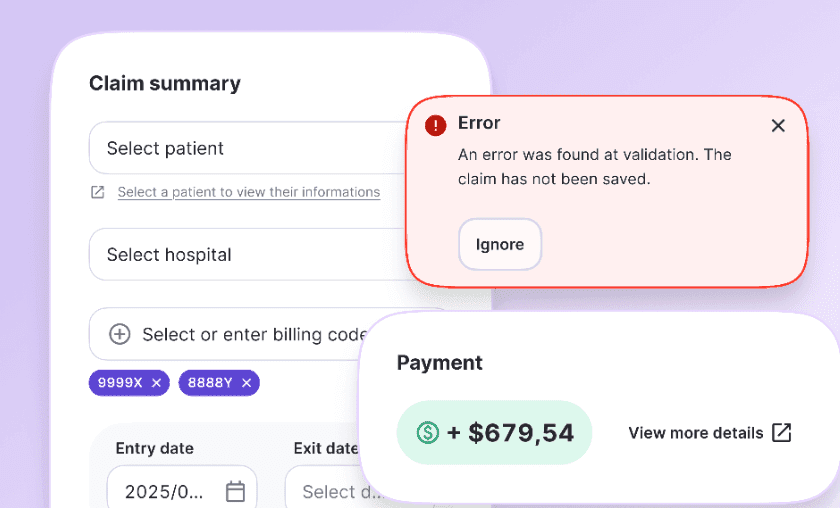
Billing accuracy affects more than reimbursement. It influences operational efficiency, administrative workload, compliance exposure, and the financial stability of surgical practices.
When billing workflows are inconsistent, surgical teams spend valuable time correcting preventable issues instead of focusing on patient coordination and clinical care. Over time, even small billing inefficiencies cause meaningful revenue loss across high-volume practices.
Improving surgical billing outcomes often starts with better visibility. Surgical groups that regularly review explanatory codes, standardize documentation practices, and strengthen billing workflows are better positioned to reduce denials and support more predictable reimbursement.
Small process improvements significantly reduce:
- Claim rejections and resubmissions
- Administrative reconciliation time
- Revenue leakage from incorrect coding
- Audit and compliance exposure
- Operational disruption across surgical teams
As surgical systems continue evolving, accurate billing remains an important part of maintaining efficient and financially sustainable care delivery.
Keep billing errors away from your progress. Contact a Petal billing expert to establish a stronger foundation for revenue growth today.
Make surgery, and not its billing codes, your focus:
FAQs: AHCIP billing for surgeons
What are the most common AHCIP billing errors for surgeons?
Common surgical billing issues include modifier errors, unbundling services, missing referral information, incorrect multiple-procedure billing, and insufficient operative documentation.
Why are surgical modifiers important in AHCIP billing?
Modifiers communicate additional procedural details that affect reimbursement, such as assistant surgeon involvement, bilateral procedures, or after-hours care. Missing modifiers reduce or reject payment.
What is unbundling in surgical billing?
Unbundling occurs when services already included in the primary surgical fee are billed separately. This leads to rejected claims or compliance concerns.
How does documentation affect surgical billing?
Operative documentation must support the billed service level and procedural complexity. Incomplete documentation may result in reduced payment or audit exposure.
Why do multiple procedures create billing challenges?
AHCIP applies specific rules to primary and secondary procedures completed during the same operative session. Incorrect sequencing or coding can reduce reimbursement.