









Points clés à retenir
- Efficient scheduling reduces avoidable labour costs. Better nurse scheduling helps hospitals reduce overtime, improve staffing visibility, and decrease administrative burden caused by reactive scheduling.
- Burnout creates financial risk for hospitals. Long hours, inconsistent schedules, and repeated overtime requests increase turnover and absenteeism while destabilizing care teams.
- Stable staffing directly improves patient care. When healthcare organizations align staffing coverage more effectively with patient demand, teams communicate better, patient wait times decline, and nurses experience less fatigue.
Healthcare organizations reduce costs and improve workforce stability through improved nurse scheduling. When nurses are effectively scheduled, healthcare leaders see overtime hours reduced, retention improved, patients better supported, and healthcare systems responding more efficiently to fluctuating demand.
Not only are patients better served, and time is saved, but entire budget line items see relief along the way.
It’s clear that nurses are vital to many patients’ hospital stays, whether they be short- or long-term.
This places onus on planners and hospital administrators to ensure nurses’ workforce needs are met. But despite leaders’ best efforts, the system has let nurses down.
Nurses worked more overtime hours than other health providers in 2025. In 2023–2024, 8% of all hours worked by front‑line providers (excluding physicians) in hospital nursing units were overtime—22.6 million hours, roughly equal to 11,500 full‑time positions. That’s a lot of time and a lot of pressure being put on the nurses and the organizations.
This leaves nurses facing high rates of burnout and hospitals spending more to cover higher overtime costs. Given that Canada is projected to face a shortage of approximately 117,600 nurses by 2030, we (literally and figuratively) can’t afford to delay addressing nurses’ needs.
Here are four ways that effective workforce scheduling creates opportunities to improve staffing visibility, distribute labor more effectively, and reduce avoidable costs across the organization.
1) Efficient nurse scheduling decreases healthcare costs
Smarter nurse scheduling decreases healthcare costs by reducing overtime, creating staffing efficiencies, and decreasing administrative burden for managers.
Small scheduling gaps result in premium labour expenses that compound throughout teams. For many organizations, scheduling remains one of the most influential drivers of both financial and workforce performance.
This is because many healthcare teams still rely on fragmented scheduling workflows that limit visibility into staffing demand. Managers frequently spend hours responding to shift gaps, coordinating last-minute changes, and redistributing workloads manually. These reactive processes create inconsistent staffing coverage and increase reliance on overtime pay.
Better workforce scheduling allows organizations to forecast staffing needs more accurately and align labor resources with patient demand patterns.
Here are three challenges overcome by efficient scheduling:
- Last-minute staffing shortages increasing overtime
- Manual schedules consuming management time
- Uneven staffing distribution seeding disruption between colleagues
Impact in practice
Let’s say a medical-surgical unit experiences recurring weekend shortages. Managers are required to approve overtime nearly every Friday evening. After implementing centralized scheduling software, staffing trends become visible earlier in the scheduling cycle. Managers distribute shifts more evenly and reduce emergency staffing requests, which lowers overtime utilization and supports nurses’ work-life balance.
Petal users make 400,000+ shift trades and transfers per year.
2) Addressing nurse burnout removes financial risk
Nurse burnout creates financial risk by increasing turnover, absenteeism, and workforce instability. Plus, it drives higher recruitment costs and reliance on temporary staffing solutions.
Nurse retention is critical to maintaining and improving patient care. But today’s inefficient systems skew work-life balance and cause burnout. When we consider that 43% of nurses in Quebec are leaving the profession before turning 35, further pressure on nurses will jeopardize the entire healthcare system.
Long hours, inconsistent schedules, and repeated overtime requests place sustained pressure on frontline staff. Nurses experiencing burnout are more likely to disengage or seek employment elsewhere over time. These disruptions strain operational continuity and raise onboarding costs for hospitals.
Scheduling consistency plays an important role in reducing burnout as greater schedule transparency and more balanced workloads help improve overall workforce stability.
Supporting nurse wellbeing addresses key factors that accelerate burnout:
- Frequent overtime reducing recovery time between shifts
- Inconsistent schedules disrupting work-life balance
- Uneven shift allocation lowering morale
Impact in practice
A critical care nurse regularly receives last-minute requests to extend shifts because of staff shortages. After a few months, fatigue begins affecting their morale. The organization introduces scheduling tools that improve shift visibility and distribute overtime more equitably. The nurse gains more predictability, and turnover within the department declines.
3) Smarter scheduling improves nurse retention
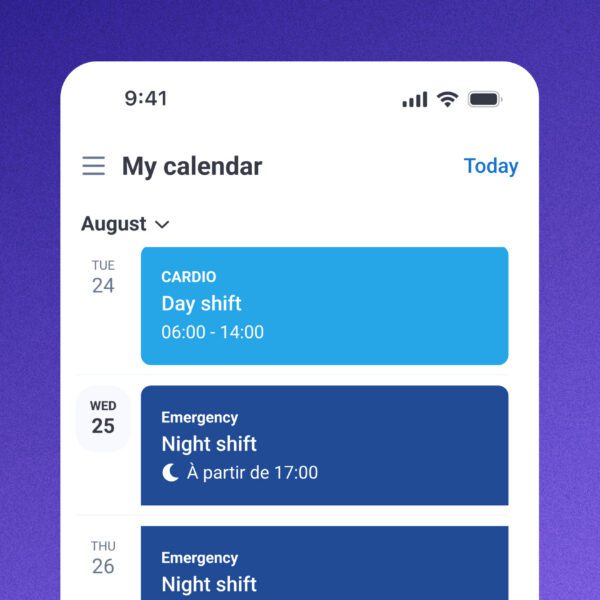
Scheduling improves nurse retention by creating greater fairness and flexibility within the work environment. Nurses are more likely to remain with organizations where workloads are balanced and predictable, and where scheduling processes feel transparent.
Retention remains one of the largest operational priorities in healthcare.
Team churn is expensive and puts increased stress on nursing and physician teams alike. Third parties aren’t the answer either. Hiring nurses through agencies is often more expensive due to additional fees or markups; Ontario’s public hospitals paid for-profit agencies $9.2 billion from 2013 to 2023, as real per capita private agency costs increased by 98 per cent and spending on public hospital staff increased by six per cent.
Compensation matters, but day-to-day scheduling experiences strongly influence whether nurses feel supported. And this support goes a long way to determine whether a nurse stays in their role, and how effectively they perform.
Here are three scheduling practices that support retention:
- Transparent scheduling that improves trust
- Flexible shift management that increases autonomy
- Balanced workloads that reduce chronic fatigue
Impact in practice
An inpatient unit struggles with high turnover among early-career nurses. Many report frustration with inconsistent shift rotations and frequent schedule changes. After the organization adopts a collaborative scheduling process, retention improves and recruitment costs decline.
CHUM saves 8,000+ hours per year using Petal Workforce.
4) Staffing stability improves patient care
Stable staffing improves patient care by supporting continuity and reducing fatigue-related disruptions while aligning workforce capacity with patient demand.
When staffing coverage is inconsistent, nurses experience higher cognitive strain, which makes cross-team coordination more difficult. Moreover, staffing instability increases patient wait times and places additional pressure on already overextended departments.
Scheduling systems that improve workforce alignment help organizations maintain more consistent care delivery while supporting operational efficiency.
Here are key impacts of effective scheduling on patient care:
- Stable teams see improved communication and continuity
- Reduced fatigue supports clinical focus
- Better staffing alignment accelerates responsiveness
Impact in practice
An emergency department regularly experiences overcrowding during evening hours, creating staffing pressure and prolonged wait times. The organization adjusts schedules using staffing analytics and patient volume forecasting to better align coverage with high-demand periods.
Support nurses with fairer, faster scheduling
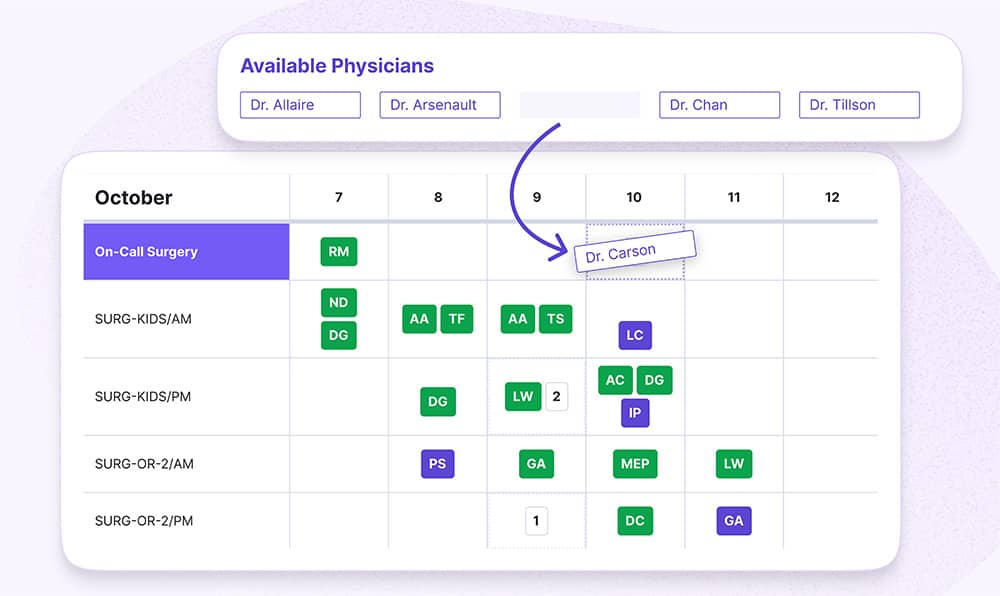
Remove operational barriers holding your nurse teams back.
Gestion des effectifs is made for modern nursing needs. Automated Scheduling, Absence Management, and the Petal mobile app save time for nurses and planners. Instantly identify coverage gaps, then fill them fast. Save time by automating fair schedules based on department-specific rules.
Proof: CHUM used Petal Workforce to transform its operations. An independent study analyzed the impacts:
- 8,000 hours saved annually
- $610K in annual economic value
- 407% increase in daily self-service searches
Help your nurses thrive through smoother workforce operations.
Satisfy nurses with smarter schedules:
FAQ: Nurses’ work-life balance
What is nurse scheduling software?
Nurse scheduling software helps healthcare organizations manage staffing coverage, shift assignments, and workforce planning more efficiently. These platforms improve scheduling visibility while reducing administrative workload and overtime reliance.
How does nurse scheduling reduce overtime costs?
Better scheduling reduces overtime costs by improving staffing forecasts and identifying coverage gaps earlier. This allows managers to distribute shifts more evenly and avoid last-minute staffing decisions that require premium pay.
Can scheduling improvements help reduce nurse burnout?
Yes. More predictable schedules, balanced workloads, and greater schedule transparency can reduce some of the operational pressures that contribute to nurse burnout and workforce fatigue.
Why is nurse retention important for healthcare organizations?
High nurse turnover increases recruitment, onboarding, and temporary staffing costs. Retaining experienced nurses also improves continuity within care teams and strengthens operational stability.
How does staffing stability affect patient care?
Stable staffing supports stronger communication, continuity of care, and more consistent workloads across clinical teams. This can improve both patient experience and operational performance.