





Points clés à retenir
- Speed of Implementation: Rapid deployment means faster ROI and immediate capacity gains.
- Interoperability is now table stakes: Integration beats replacement—reduce costs and adoption hurdles.
- Analytics & Reporting moves from passive to active: Data-driven decisions will optimize operations and revenue.
Healthcare leaders across Canada and beyond are entering 2026 with one clear mandate: deliver better care, faster, and more efficiently than ever. In short, do more, help more, but at scale.
Technology is no longer a “nice-to-have” to do this. There are no blank cheques being written for wide-scale capacity expansion. Technology is moving to be the backbone of operational resilience and patient access. But what will define success this year?
Three trends stand out as game-changers for clinicians, hospitals, health systems, and policymakers.
1. Speed of implementation: ROI as soon as possible
Gone are the days when deploying a new healthcare system meant multi-year timelines and endless change management cycles. In 2026, speed is the currency of value. Health organizations are under pressure to show measurable improvements, whether in patient throughput, scheduling efficiency, or revenue optimization, and to do it within months, not years.
Why does this matter? Because the faster a solution is implemented, the quicker it starts delivering returns. For example, a scheduling platform that reduces appointment coordination time by 98% doesn’t simply improve staff productivity; it unlocks capacity for more time and resources for patient care in the same fiscal year. More time, less administrative drain, the greater patient impact.
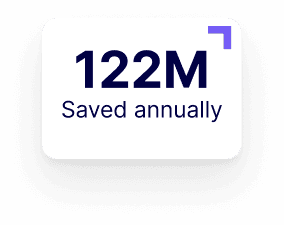
Similarly, billing automation tools that reclaim hundreds of hours for physicians translate into millions in recovered revenue before year-end.
Key takeaway: Leaders should prioritize vendors and solutions that offer rapid deployment models, minimal disruption, and clear ROI timelines. In 2026, speed is more than an edge—it’s the foundation for staying competitive and delivering measurable impact.
2. Interoperability: Ending the “rip and replace” era
Interoperability has moved from a “nice-to-have” to a standard. Health systems have learned the hard way that forcing wholesale system replacements creates unrealistic change management burdens, slows adoption, and drives costs up. The trend for 2026? Seamless integration that provides real-time operations.
Instead of ripping out legacy systems, organizations are looking for platforms that connect to existing infrastructure. This approach reduces friction for clinicians and administrators, who can continue using familiar workflows while benefiting from new capabilities. It also mitigates risk: interoperability ensures data flows securely across systems without compromising compliance or patient privacy.
Think of it as building bridges rather than tearing down roads. Whether it’s linking scheduling tools with EHRs or connecting billing platforms to provincial reporting systems, interoperability is the key to scaling innovation without breaking the bank—or the workforce. The best part is that positive change happens faster, and you can still replace system endpoints later as future procurement cycles necessitate new platforms.
Key takeaway: When evaluating technology partners, ask one question: How well will this solution play with others? In 2026, the winners will be those who integrate, not isolate.
3. Analytics and reporting: Turning data into decisions
Healthcare has no shortage of data. The challenge? Too much of it sits in silos, unused and unhelpful for strategic planning. In 2026, expect a surge in solutions that transform raw data into actionable insights for hospital administrators and policymakers.
From optimizing OR schedules to forecasting surge demand for staffing needs and tracking revenue performance, analytics will become the engine of operational excellence. Advanced reporting tools will allow leaders to see not only what happened, but what’s likely to happen next. This makes proactive decision making possible instead of reactive firefighting.
For example, imagine a dashboard that combines patient flow metrics with staffing data to predict ED congestion before it happens. Or revenue analytics that flag billing inefficiencies in real time. These capabilities aren’t futuristic; they’re arriving now, and they’re reshaping how health systems plan and perform.
Key takeaway: Data is no longer just a compliance checkbox. In 2026, it’s a strategic asset. Leaders should invest in platforms that make analytics accessible, intuitive, and actionable across the organization.
Bonus: Data sovereignty takes a step forward
Data is the lifeblood of healthcare. Behind every system report or analytics dashboard lies sensitive patient information, confidential clinical notes, and financial records. In an era dominated by social media and mobile communication, protecting personally identifiable information (PII) and operational data remains non-negotiable.
The stakes are high. Exposure isn’t only a privacy issue; it’s a liability. Growing awareness of overseas data storage and foreign jurisdiction laws, such as the U.S. Cloud Act, has amplified concerns. These regulations can create loopholes that allow Canadian data to be accessed by entities outside our borders, undermining local control and compliance.
In 2026, expect a stronger push toward data sovereignty, keeping healthcare data within Canadian jurisdiction and under Canadian privacy standards. This shift will influence vendor selection, cloud hosting strategies, and even procurement policies.
Why these trends matter
For government decision-makers, these trends signal a shift toward agility and sustainability in healthcare delivery. For hospital executives, they offer a roadmap to improve capacity, reduce costs, and enhance patient experience—all without waiting for generational change.
The common thread? Technology that accelerates impact, integrates seamlessly, and empowers smarter decisions. As we move through 2026, these principles will define not just the next wave of innovation, but the future of healthcare itself.
Grow revenue and save time for patients:
Talk to a Petal expert